More and more, marketing strategy is led by data. This episode questions whether that data is pointing CMOs in the wrong direction.
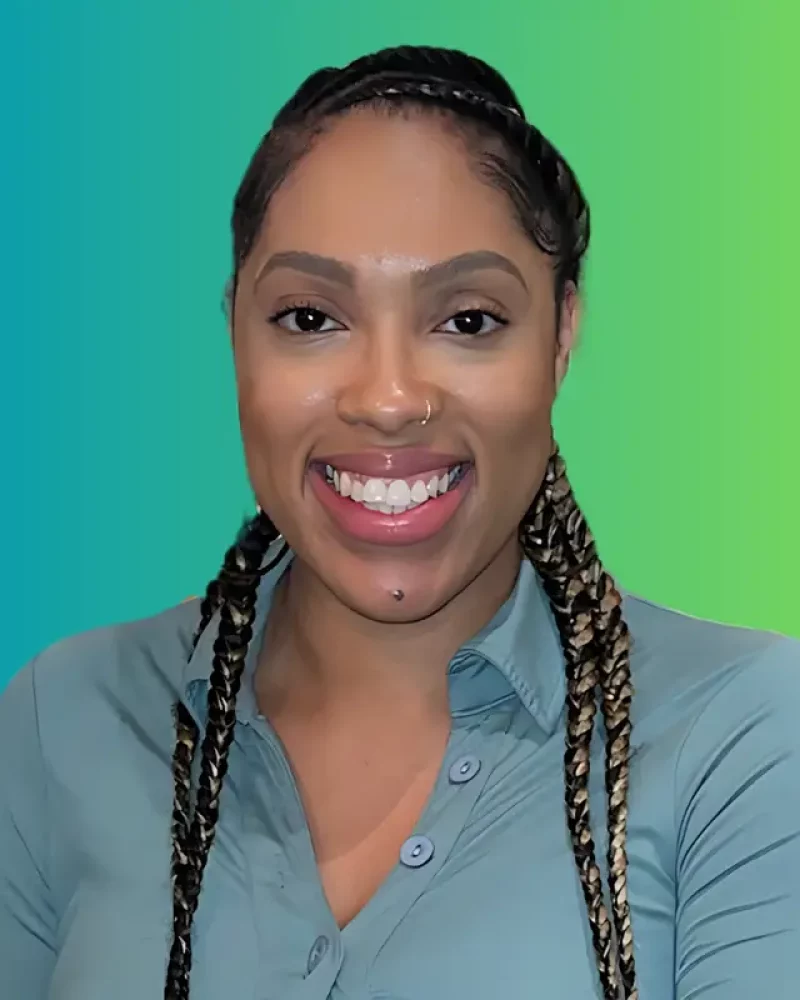
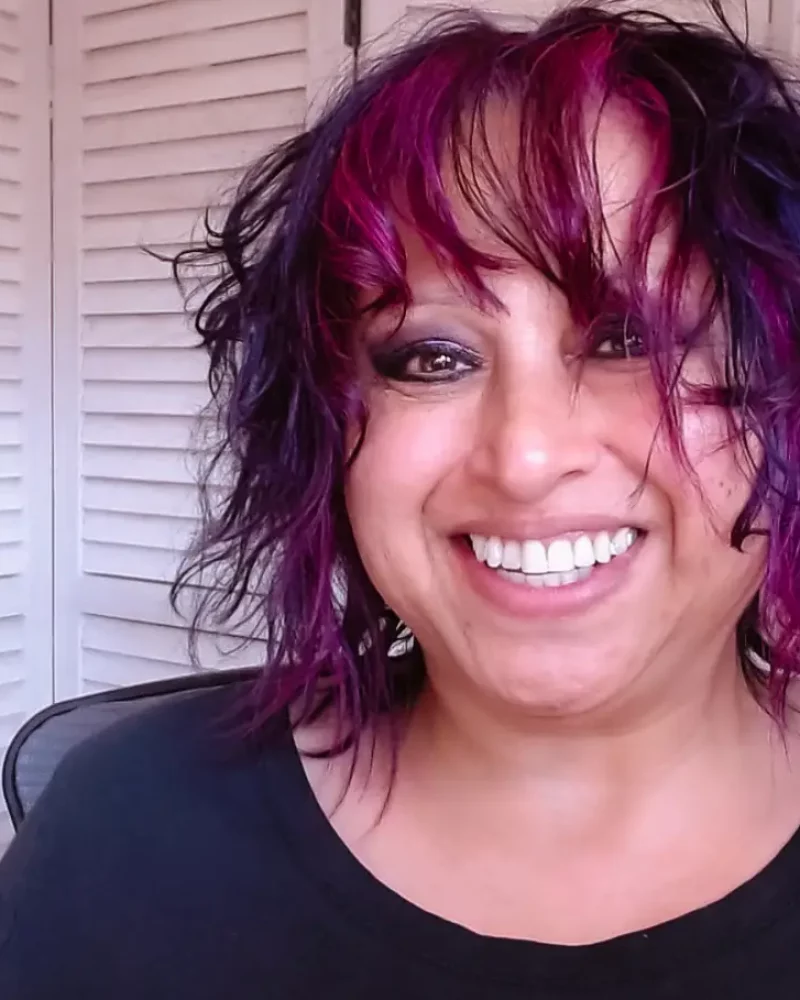
Dr. Ayesha Taylor-Camara brings a research-led perspective on how marketing teams define and understand their audience. Drawing on her work across media and audience insight, she explains how over-reliance on demographics shapes marketing strategy, limits decision-making, and leads to inconsistent performance.
Ayesha breaks down what to look for beneath the data: behaviours, context, motivations, and belief systems. She outlines a more structured way for CMOs and marketing leaders to interpret audience insight so they can inform strategic decisions.
The episode also examines how CMOs need to adapt in a fragmented content environment. Channels no longer operate in isolation, and leadership must rethink how each touchpoint contributes to the audience journey. This has direct implications for how marketing strategy is planned, executed and measured.
This discussion is about how to move from audience data to meaningful insight. Ayesha connects understanding with outcomes, showing how a clearer view of audience motivations leads to stronger engagement, better alignment across channels, and ultimately a more effective marketing strategy.
This episode will challenge how you define your audience and how that definition shapes the decisions you make on your strategy. Follow-up with Episode 7, ‘What CMOs Get Wrong About Social Media‘ with Katie Howell.
Get your Content Power Score. It’s free!
Don’t Skip Media (00:00)
A few weeks ago, a company spent millions acquiring a share with barely 70,000 subscribers. Low view, small audience. On paper, it made no sense, but it reveals something most marketing teams still miss. Most audience strategies don’t fail because of the lack of data. They fail because they optimise for who people are instead of why they care. This episode explores what happens when you change that lens.
Dr Ayesha Taylor-Camara (00:34)
My name is Dr. Ayesha Taylor-Camara. I’m a consumer insights specialist who’s worked with a bunch of media companies over the past eight or nine years and really helping them trying to understand their audiences. I use data and insights and research in order to understand audiences better to help brands better reach those audiences and build deeper audience engagement.
Christina Moore (01:00)
So when a CMO says, we know our audience, what does that usually mean for them?
Dr Ayesha Taylor-Camara (01:06)
Usually the first thing they’re thinking about is demographics and it’s the way in which the advertising industry and the media industry has set up itself over the past, you know, 100 or so years. And when people are talking about, yes, we know who our audience is, it tends to be, okay, we know their age, we know they’re 16 to 30, 16 to 34 year olds. We know they’re more women versus men. We know they live in this location versus that location.
And for me, it’s always felt like demographics is a good starting point, but it’s not the end point. And so it’s about trying to encourage marketing departments to think a bit more widely and deeply about who that audience is, rather than trying to fit us. And I say us because we all are part of the audience of some audience somewhere.
trying to fit us into boxes that makes it easier for us to target.
Christina Moore (02:07)
Do you think given the over-reliance of demographics, do you think there was ever a time it suited marketing teams at all or even content creators?
Dr Ayesha Taylor-Camara (02:20)
I think really, yes, in a case of if you’re purely focused on reach, if you’re purely focused on just building awareness, then demographics can get you there. But that’s only, as we kind of know, that’s only the top of the funnel, right? And so if you are wanting to build that kind of deeper connection,
It is more about trying to look at these other variables and characteristics in order to help you understand who those people are that your audience is. And I think actually those within the creator economy, creators that we’re seeing on YouTube, are much more aware of this. They’re much more aware of trying to understand who their audience is. They’re looking in the comments.
They’re looking at what people are saying about their particular piece of content or their brand. They’re not just solely focused on age and gender. However, when it comes to the monetisation aspect of that, that is still very much focused on demographics. It’s still very much focused on how many people are following you, what’s the age, what’s their gender.
when actually that doesn’t really tell you much about whether or not the person is going to buy into your brand or not, right? ⁓ But still, you know, the advertising industry is still caught up on, you know, age and gender as a way of trying to think about how to kind of build that deeper engagement with the audience when actually that’s not kind of the right way to be thinking about it.
Christina Moore (03:59)
What do you think teams are looking for underneath that information?
Dr Ayesha Taylor-Camara (04:06)
It’s really about trying to understand where that brand or that piece of media fits within a person lives. What’s attracted them to that piece of content? What’s grabbed their attention? What is the journey in which that person has actually been on before they’ve got to where they’ve come across your particular brand or piece of content? I will tend to talk about content here because that’s kind of my area of expertise here.
It’s trying to understand more about, who is that person? What do I know about that person in order for me as a brand? And as I always say, brands should be there to kind of serve their consumers, not really be in a place where you’re kind of extracting from them. ⁓ And so it’s trying to understand more about, where is my audience? What’s the journey that they’ve gone on in order to ⁓ come towards my particular piece of content?
How can that particular piece of content or brand better serve that audience in their lives? So to make that journey from awareness, as we understand it, the typical marketing fund, from awareness to conversion, a lot more shorter and also building that deep engagement through that process of where someone’s gone from being aware of a particular brand, right the way through to actually purchase it and being a little bit more of a brand advocate.
Christina Moore (05:31)
you said in the past that the issue isn’t the lack of data. We were absolutely inundated with data. So what’s wrong with the lens? What is the correct lens we should be looking at?
Dr Ayesha Taylor-Camara (05:49)
In terms of it’s how you think about the audience, we kind of know who our audience is, at that demographics level. But we as humans are more than just our gender, our age or where we live. We have interests, we have attitudes towards certain things, we have deeper values, we have things that we’re trying to achieve with our lives.
And also that changes throughout our life cycle as well. We’re not one dimensional beings. And so it’s trying to unpack that a little bit more and think about us and audiences as being multifaceted beings as we are.
It’s going beyond just looking at those kind of one-dimensional ways of thinking about the audience and kind of digging into thinking about, what are the deeper things that have led them to where they are right now?
What are the things that are happening in culture, in society that perhaps have impacted how they’ve come towards your brand? What is the role in which that brand is playing within their daily lives? And thinking a little bit more deeply ⁓ beyond that. So when I’m going into a dashboard and I’m looking at the data and I’m like, okay, this has gone up, it’s not starting.
with the who or the what, it’s really trying to progress into understanding the why and being a bit more curious about who that person is and not just seeing people as just data points, but actually seeing people for people when you’re looking at that data.
Christina Moore (07:29)
demographics is the who, we know this now. When you say why, what are you actually referring to?
Dr Ayesha Taylor-Camara (07:38)
Yeah, why is a little bit, is it different? It’s kind of, you’re looking at the kind of who are you truly as a person and what does that person actually kind of stand for? So it could be your cultural identity in terms of who you are culturally as a person. It could be what are your kind of beliefs and worldview? Who do you kind of align with?
thinking about kind of who do you aspire to be as a person? How do you actually see yourself? Because all of that at the centre then ends up driving your habits. It ends up driving, you know, whether or not you decide to ⁓ click on a particular podcast in order to watch it based upon either kind of the title of that podcast or who the podcast host is or who that guest is. And so…
it’s trying to understand ultimately kind of the truth of that person. And it’s hard to do. It’s not something that I think is easy to get to, but I see it more as what you should be driving to do. Like everything that you’re doing is trying to understand more as at the core, kind of who that person is, kind of what do they stand for, what are their beliefs, what are their worldviews.
Because once you can understand people’s belief systems and their worldview, that is kind of a stronger determinant of whether or not they will kind of purchase your brand or watch your content. And because it either agrees, aligns with, or doesn’t align with kind of who they are. Whereas your motivations and context kind of sit outside of that. So you can kind of think about the why as being like the core. And it sounds similar to like what
Simon Sinek says, you know, find your why, right? And it is just kind of, it is like the centre driver. And then you’ve kind of got your context on kind of, if you think about it as like a, a wheel with different spokes kind of pointing outwards in the centre, you’ve kind of got the why. And then you’ve got kind of your when, which is kind of the context driven. You’ve then got your kind of how, which is more about the kind of motivations, like what is that thing actually doing for that person?
then you’ve got your kind of behaviors, which is, you know, what are they perhaps choosing? What are they looking past? What are the kind of observable things that that person is doing? And then you’ve kind of got your demographics. So it’s like all of those kind of things feeding into the centre of you trying to figure out that why.
Don’t Skip Media (10:23)
So if demographics aren’t enough, what replaces them? Understanding an audience isn’t a single layer, it’s who they are, it’s what they do, what they believe and what they’re trying to achieve and eventually why they make the decisions they make.
Dr Ayesha Taylor-Camara (10:41)
AI acquired a podcast. I’m not going to really call it a podcast. It’s more like it’s a show called the TBPM, the Technology Business Programming Network. They’re like a live daily kind of tech show that’s on YouTube. They live stream for about…
two hours a day talking about tech. that show only has around 60 to 70,000 subscribers on YouTube and their daily views on each of their episodes kind of getting around four, five, six, maybe some have got maybe 10,000 or 15,000 views. And so you look at that and you think,
Why would a company like OpenAI invest money in acquiring a daily show that has got less than 100,000 subscribers on YouTube, barely getting 10,000 views per episode? And it’s because it’s not about the demographics, it’s not about the age and the gender of that audience, it’s about who that audience is. And the
of that show, they’ve generated, I think, over 5 million US dollars in advertising revenue because of the partnerships that they’ve got with these AI tech companies, like having Google or Gemini advertising, et cetera. And it’s not because of…
who that audience is in terms of their age and their gender. It’s about those interests. It’s about, okay, where perhaps are these people? The people listening to this podcast are probably decision makers in businesses. They’re the ones who are able to have hold over the budgets. So they’re more valuable technically for these companies who are advertising because of…
who they are and kind of the decisions that they’re able to make within the companies. So I think this is a, and there’s other sides to why OpenAI would want to acquire this company to kind of control the narrative around AI. there’s other kind of, it’s not just that of that surface level, but I think it’s a really good example of, especially as creators, even like yourselves, Christina, of
You know, it’s not about just the reach, right? It’s actually, if I can show the value of who my audience is, if I know that they’re decision makers within this business, if I know that they’re earning X amount of money a year, if I know that they’re not just listening to me, but they’re also ⁓ engaging in other types of content, if I know that they’re in this particular phase in their life that they’re trying to understand.
more about crypto or AI or business and they actually see me as a trusted source in order to deliver that information, then my audience automatically becomes more valuable than just being able to say that I have 1.5 million subscribers on YouTube and I know that they are 90 % male and they’re aged 45 to 65. That doesn’t really tell.
So I think it’s great kind of recent example to actually think about how we can kind of move away from thinking about demographics and reach and really start thinking about kind of interests and other types of metrics that we can use in order to show the value of an audience.
Christina Moore (14:23)
This is such a great example that we’re witnessing in real time because I’ve had a long held belief just based on a decade of working in content that it’s not really, especially for a business or an organisation, it’s not the number of views or listens that you should be chasing.
So long as your audience is really, really engaged in what you’re saying, the message you’re delivering, So you could easily be an organisation that has 100,000 listens on your podcast, ⁓ but your click-through rate is 0.01%. Whereas you could be an organisation
where you’ve got, 5,000 listeners or views, but your click-through rate is 5%, you know, which would you rather be? It’s always the advice I’m giving. So I’m really glad to have that example in real time.
Dr Ayesha Taylor-Camara (15:21)
Exactly, exactly.
Exactly that.
Don’t Skip Media (15:29)
If demographics were enough, you’d expect bigger audiences to always win. But that’s not what we’re seeing here. This relatively small show with limited reach gets acquired, generates millions. But not because of the size of the audience, but because of who that audience is. Decision makers, budget holders, people with influence. And suddenly you realise reach and value are not the same thing.
Dr Ayesha Taylor-Camara (15:54)
I try and think about it as like
the first step is, it is looking at that kind of demographics. You’re looking at who, know, who they are on paper, what’s their age, what’s their gender, know, income, location, occupation, that kind of thing. And then you kind of then start kind of digging in, okay, what’s actually happening here? What’s the behavior? What’s going on? You know, what kind of…
What type of content are they engaging with? Is it video? Is it audio? Is it podcasts? Is it social media? What are the formats that they’re interested in, especially in the case of podcasting? As we are here on a podcast, is it the interview format? Is it the narrative? Then it’s the platforms. Are they on Spotify? Are they on Apple? Are they on YouTube? How much time are they spending with your content? And so that’s where you’re trying to understand more.
about kind of the actions and the behaviors in which the audience is. And then that kind of, once you’ve kind of got the who, you’ve got the what there, you’re then able to kind of dig more a little bit into kind of why and trying to understand kind of who is that person? What are their beliefs? What are their kind of aspirational identity? Who do they want to be? Who do they align with? How do they see themselves? And also kind of what do they reject? What don’t they like? What are the things that just don’t really kind of sit with who they are?
And then you’re able to kind of, the next step is like moving into this kind of how is that looking at the modification. So what is that piece of content or what is that brand actually doing for them? In the case of content, it could be more of like cognitive ways of thinking about the way in which your content is playing within their lives. So are you, are they listening to your podcast to stay up to date? Is it because they’re trying to develop new knowledge or skills?
Are they trying to make a decision about something and actually they trust you as a podcast host to kind of help them work through that decisions that they’re trying to make. Are they trying to explore things? Are they listening to that content because they want to feel inspired? Do you bring them joy? Are you kind of reflecting kind of the things that are going on in their lives? And so that’s why I’m kind of going through this process of like, actually you’ve got the demographics at the beginning.
But yes, that gives you that foundational level. But once you start asking about the behaviors, you start asking about the motivations and the context as well, which where people are listening or engaging with that content, you’re better able to understand really what your brand or in the case of podcasts, what the role your podcast is actually doing within the lives of the audiences that you’re trying to reach.
Christina Moore (18:24)
This five step approach is chef’s kiss. This is such good stuff.
Don’t Skip Media (18:30)
We live in a fragmented content landscape. With your framework in mind, how do you think we should manage all of those channels?
Dr Ayesha Taylor-Camara (18:39)
We’ve only got a certain amount of time in our day to spend engaging in different things and making different decisions. And so it’s
The thinking about different types of platforms in a less multi-channel way and a more kind of omni-channel as we kind of know from marketing is ⁓ a better approach to be thinking about the different role in which these different types of channels are playing in the consumer journey. So rather than seeing individual channels as your way to kind of reach an audience,
it is more situating that audience at the centre and thinking ⁓ about the different routes that the audience is taking to get to you is more important than thinking more so about how you’re trying to reach them, right? And when you kind of think more so about the audience being in the centre and these kind of different channels playing a role, and I’ll use podcasts as an example, right? We know that there’s a big drive towards video.
and people wanting to engage in video. But actually, when you of dig deeper into understanding how much people are engaging in video and what they’re doing, video is almost just serving as an accompaniment to whatever they’re doing. Audio is still the primary way in which people are engaging with podcasts. But video is almost like your physical or virtual companion there in the room with you whilst you’re doing the other things.
However, what video does then allow you to do from a marketing perspective is reach audiences through social media because you can then click that content and it allows social media then to be a new route for that audience to find you. And the question then starts to become, well, what is the job then that that social video is actually providing you as a podcast? Is it there to drive people back?
to the audio, or can actually that social video just be enough? And for me, actually, in some cases, that social video is enough. And you’ll actually start to find that with audiences, just seeing that 60-second clip that you’ve posted online or those two-minute clip that you’ve posted online perhaps is enough for them to feel like they’ve engaged with your content that they don’t need to then go on to listen to the full episode.
So then it becomes a question for you of, you what role do I want kind of video to then play within the lives? And that makes you more audience centered as opposed to being more brand focus centered because the video is playing a role for the audience. It’s not playing a role necessarily for you trying to drive people back to the long form. So it’s important to be thinking about these kinds, you you’re different.
⁓ your multi-platform kind of strategy, but thinking about it more in the audience-centred, omnichannel perspective where the audience is sitting at the centre and they’re able to reach you and engage with you from these variety of different ways. ⁓ And one of the things that I think about quite a
is, think we’re starting to move to a space again, and this kind of hasn’t been lost, where a trans media strategies for brands is going to be a lot more important, where you’re essentially building a story world for the audience. And so each different path or platform or channel is just actually an entry point. It’s not the end point.
it just becomes kind of an entry point for that audience. And one of the biggest and well-known brands that we know that have done this for years and why they’re so successful is Disney. Building that kind of massive kind of story world around their content, around their characters, and actually what you find with a company like Disney, yes, we know them for their content, but when you look on the balance sheets and you look what is actually driving
revenue for Disney is the experiences. It’s those live audience experiences that they’re providing for the audience as opposed to just their content that they’re serving to us through kind of films or TV shows. And the only reason why they’ve been able to kind of do that is because they’ve built more kind of deeper engagement with their audience, which kind of allows the audience to find these kind of different multiple kind of entry ways
into their different media kind of texts and characters, et cetera.
Don’t Skip Media (23:35)
So we’ve discussed demographics and the purpose of demographics, and we’ve had a look at getting a deeper knowledge of your audience. What’s the purpose of all of this? What’s the point for us?
Dr Ayesha Taylor-Camara (23:49)
Well, when you think about what is the most successful piece of marketing and continues to be the most successful marketing channel of today is word of mouth, right? And with word of mouth, what does that actually do for the audience or who are the audience sharing things to or why are they sharing these things to other people? And it’s because they ultimately trust that person.
So for creators in this attention economy that we’re living in right now, it’s about depth. And once you’re able to build depth in your relationship with that audience, and that might still only be parasocial, right? But it’s still strong enough for the audience, is what you’re doing over time is you’re building that trust. And trust then converts a lot more strongly.
in this world where we’re as audiences being unindated ⁓ with content, with videos, with audio, with podcasts. There’s just so much for us. so ultimately it’s that trust that you’re trying to get to.
Don’t Skip Media (25:02)
Most teams will want to understand the why. They’ll agree with everything we’ve just discussed, but then nothing really changes. Because understanding your audience is one thing, structuring your content to reflect that understanding. That’s another. You might know what your audience values. You might know what they need. But if your content isn’t built in a way that holds attention, creates depth, and gives someone a reason to stay, then that insight never turns into action.
That’s exactly why we created the content power score. It looks at how well your content is set up to perform. You’ll get a clear view of what’s working, what isn’t, and what to fix first. The link is in the description. Once you start to align those two things, understanding the why and structuring your content to reflect it, you move from creating content that gets seen to creating content that stays with people. And this is where trust starts to get built.
Dr Ayesha Taylor-Camara (25:59)
you’re starting now to slightly see a shift. And you’ve probably heard a lot of people throw out the word community, community, we’re trying to build our community. And actually, when they’re thinking about the term community, they’re not really…
thinking about that in much depth. They’re just using it as a substitute for the term audience because it kind of sounds nice. But when you’re actually thinking about the community that you, if you are trying to build a community as a brand, that actually means you need to step out the way because you’re just a facilitator. You’re not actually the person in control or when you’re thinking about trying to reach an audience, you’re almost like the distributor or distributing things to that audience.
if you’re trying to build a community, you’re more facilitating the connection between other people within that community or other members. And so brands now are starting to think, actually, in the world in which we’re living in, the attention economy, how do I go beyond just grabbing people’s attention to being a space where I can build trust? And we know community, once you can build a community and there’s a sense of community amongst members,
people are more likely to trust you. And so for brands, it’s trying to move into that space now where they can feel like they can build a lot more trust amongst those people who they are trying to
Christina Moore (27:35)
What type of mediums do you think fit that model for building trust?
Dr Ayesha Taylor-Camara (27:40)
I’m going to be biased here because of my role that I work in audio, but it is audio. There are two, actually, I will say. And you can kind of think about them almost being like a barbell. You’ve kind of got, on one side, would say really strong audio, like you’ve got podcasts,
And with podcasts, it’s so kind of deep and personal, again, going to people’s interests, right? And you’re able to build that kind of depth and trust between you and the audience because you’re paying a part in their daily lives.
So you’ve got podcasts on one side, really kind of strong, heavy. In the middle, you’ve kind of got things like your social video, you’ve got social media, you’ve got maybe TV, live TV, streaming, et cetera, that kind of sits in the middle, all the way up to your kind of live experiences that again, ⁓ building depth. And so…
it’s thinking about kind of those two sides. It’s like the audio, I would say, is a really strong way in order to kind of build depth. You’ve got those middle pieces that are kind of still doing the job, working your way up to maybe even something like a newsletter. And that again, starts to be kind of deeply personal. And people are choosing what newsletters they actually want in their inbox every week or every day to those kind of live experiences where you’ve actually got your audience in the room, in the space.
with you. And if you can get from audio and your live experiences, I think you’re doing a great job. And as I said, it goes back to thinking about one of the biggest media companies that has been doing it for years now. Disney has done it so well. what you think about the company, ⁓ it’s done it so well. And so it’s an example of how we can build those deeper engagements with the audience through those live experiences.
Christina Moore (29:51)
And what have businesses like Disney learnt about audiences, about how they behave that other organisations haven’t like over the past five to 10 years?
Dr Ayesha Taylor-Camara (30:04)
that content, film, characters are just the starting point. They’re not the end point. They’re not the end goal. They’re there to serve the audience. When you can build a story world that the audience feels deeply engaged with, they feel like it’s for me. When they see something, you’re like, right, that is for me.
Disney gets me or like this particular thing kind of gets me. That’s what I feel Disney have over the years been able to do and through their live experiences, whether or not that’s a theme park or going to see Disney on ice or going on a cruise, right? You’ve used that content and that character as the starting point for that deeper engagement.
Christina Moore (30:59)
I think what would be really useful, given the steps that you’ve just explained, is to discuss how organisations and businesses, how they can get a commercial layer So ultimately for a business, the point, and let’s be frank here,
the point of creating content very often is to generate, more leads ultimately, right? So we say, yes, we want to build more trust. Yes, we want to provide value for our audience and our potential customers. do want to do all of those, but ultimately they want to create more leads to improve the business.
What about understanding these motivations will help a business?
Dr Ayesha Taylor-Camara (31:50)
It’s due to when we think about who we’re trying to reach a lot of the time, I can’t remember what the actual figure is, but it’s something like, I don’t know, 90 % of people are not in the market to buy your product. Like, let’s just get that straight. People aren’t thinking about your product. They aren’t thinking about your business. They aren’t thinking about the organisation. They have a whole bunch of other stuff kind of going on within their lives, right? But that doesn’t mean you should ignore them. And
They might not be ready in order to buy your product right now. However,
that small blog post that you keep posting every week or that newsletter is actually helping them do the thing that they need in their job right now. It might be something of keeping up to date with what’s going on within your industry. And so you’ve already got one entry point into your business.
is it someone in a particular kind of seniority within a role? Is it a budget holder? Or actually, is it someone that you know just influences budget decisions, but perhaps doesn’t actually ⁓ control the budget? So if so, if that’s the case then you also kind of need to understand kind of
what that person kind of values and what they’re perhaps trying to achieve. actually whatever you’re providing, either the content that you kind of see is just, you know, it is a channel, is actually helping them make that next step, make that, you know, into that kind of senior role. And so when they then do become, and I know it’s a long sell cycle, especially in B2B.
It’s a very long sale cycle and you have to be patient with it. But if you can take that person almost on the journey and they’re going to have you front of mind, there’s more mental availability for you because you have catered towards their needs, you understand their values and perhaps you understand that they’re not in the market right now to buy but actually the other things that you’re doing.
is helping them remember you so that when they are in the market to buy and they are thinking about next year’s budgets, they are thinking about you ⁓ as a company because they’ve thought about a lot or you’ve played a role in their lives through that content every day or every week or every month. So it’s thinking a bit more about kind of, as I said, what is the contribution of each of these different things actually doing for your ideal lead?
Christina Moore (34:19)
senior marketers are at the moment trying to lead through a really uncertain period.
What are the three mindsets that have guided you and still hold up today?
Dr Ayesha Taylor-Camara (34:37)
I see one of them, especially with research and with marketing, we always talk about being data-led. And actually, I like to be guided by data. I don’t like to be led by data, contrary to what people might think. But creativity still has a role to play. So when I think about data and insight and research,
I kind of see that as a way to guide as opposed to being led. Creativity still has a place to stay. The second would be curiosity. Always asking questions, being curious about people, trying to get to the why beyond the how, the what, the who and the where.
The other kind of links back to one of the things that you said about marketers and being in this kind of unstable, kind of an uncertain world. is that uncertainty is the thing that’s kind of guaranteed.
I always remember and think about. ⁓
of the unstableness of life and the uncertainty of life and that that actually is a constant. So let’s not worry about that and try and think more about kind of the value in which the thing that you’re trying to deliver is doing for the audience.
Christina Moore (36:10)
Ayesha, thank you for your time today. This was a wonderfully insightful conversation. I could go further. So thank you very
Dr Ayesha Taylor-Camara (36:18)
you, Christina. It’s been great.
Don’t Skip Media (36:19)
Most teams optimise for reach because it’s easy to measure. But reach doesn’t explain behavior and it doesn’t drive action. Understanding your audience at a deeper level does, not just who they are, but what they need, what they value and what role you play in their lives. When you get that right, you get attention and trust. Trust is what converts.
Thank you for listening. name is Christina Moore. This is A Mind for Marketing. And if you’re curious where your own content strategy needs to transform, take the Content Power Score. The link is in the description.
Explore other episodes from our podcast series to stay updated.
Gain fresh insights and inspiration with every new conversation.