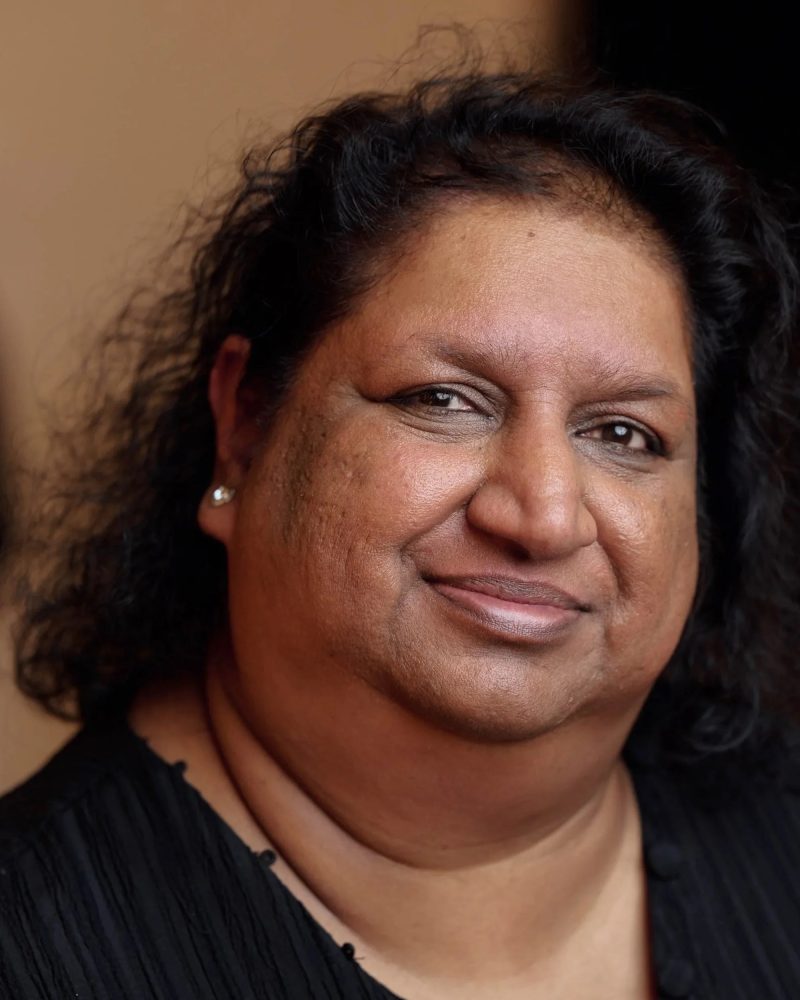
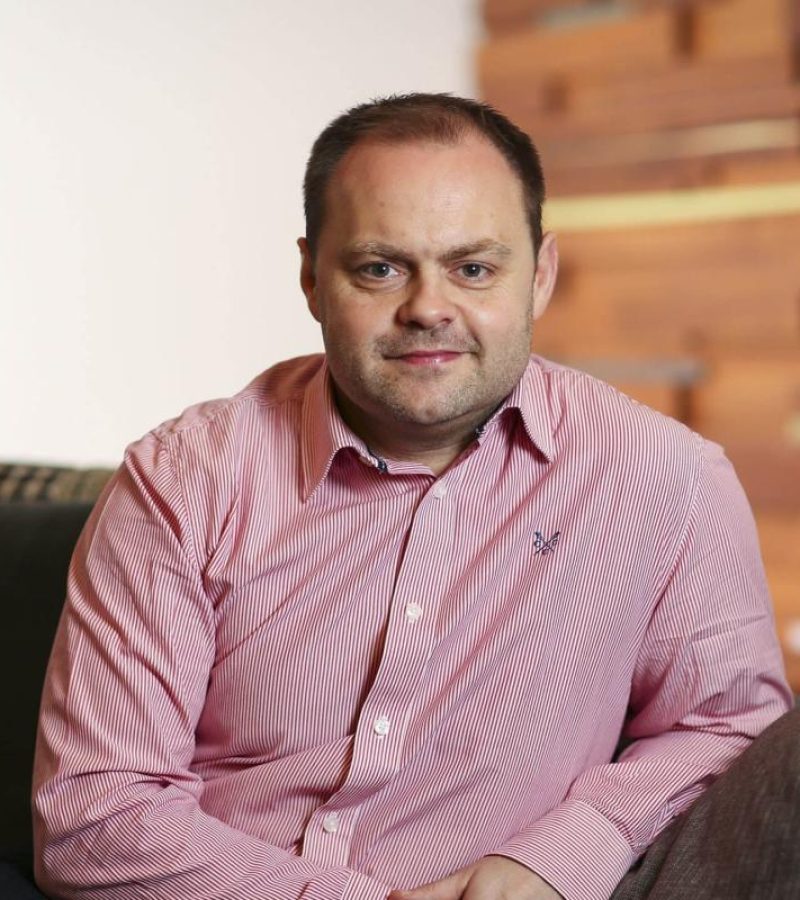
Mark Evans, former CMO of the Marketing Campaign Direct Line, shares vital insights from leading a transformative turnaround in a declining brand. Discover how a clear strategy, deep customer understanding, and organisational behaviour alignment drive genuine transformation—not just marketing tactics.
Key topics:
Chapters
00:00 The story of Winston Wolfe and the keys to transformation
00:30 The three critical ingredients for effective transformation
02:49 Necessity as catalyst: Direct Line’s decline and turnaround
03:12 The role of impossible challenges in galvanising organisations
03:26 How decline shifts organisational focus from growth to change
05:25 End-to-end transformation: from systems to customer propositions
07:44 Overcoming scepticism: Harvey Keitel and Hollywood talent’s role
10:14 The Winston Wolfe customer service story: doing what it takes
11:16 Building momentum and leadership through purpose-driven transformation
16:37 Re-establishing marketing’s place as a core strategic function
20:13 Connecting marketing effectiveness with business impact
21:07 Customer insight: ground-level understanding for leadership
26:26 The importance of proof points: ROI, econometrics, and models
27:26 Enabling strategic decision-making at the executive level
31:51 The power of coaching and the importance of learning from others
33:23 Publishing “Climb”: empowering careers through practical insights
37:10 Core mindset shifts for transformative careers
38:23 Final thoughts: alignment of strategy, customer, and behaviour leads to trust and growth
Resources & Links:
Christina Moore (00:00)
A customer tweets that their TV hasn’t been replaced in time for a boxing match and someone at Direct Line finishes work, drives home, picks up their own TV and delivers it to them. That’s ST, a customer service, not because they were told to, but because in their words, that’s what Winston Wolf would do. Now stay with me because that story explains more about transformation than most strategy decks ever will. Transformation only works when three things line up.
a clear strategy, a real understanding of the customer and behavior inside the business that actually supports it. Because the campaign, the content, that’s just the output. Miss one of those and it tends to fall apart. In this episode, I’m speaking with Mark Evans, former CMO at DirectLine. This approach wasn’t hypothetical for him. He had a real business in decline on his hands.
Mark Evans (01:28)
Mark, I spent 25 years actually on client side marketing in various roles, marketing, customer, digital, customer experience and so on. And then my last 10 years was at Direct Line on the Exco there through IPO and agile transformation and COVID and regulatory upheaval.
but I always had a hankering for doing something a bit more eclectic and fulfilling. And so for the last three and a half years, I’ve been doing what I call a fruit salad, which is a blend of coaching and advising and being a trustee and being a non-exec director and podcasting and writing a
Christina Moore (02:04)
So at each stage of your career, had simultaneous, transformation between yourself and the brands that you’re, um, working with. and we talk about transformation, but what’s that
separates genuine transformation from incremental improvement?
Mark Evans (02:20)
Well, usually transformation comes out of necessity and it’s on the back of a burning platform. There are cases where people have gone genuine in the blue sky, transformed the category, et cetera. But in the general run of things, it is by necessity. And so if I take DirectLine as an example, it was kind of on a death slide. so your mission, should you choose to accept it, it was mission impossible, really. And that’s where the greatest transformation work comes.
where, yeah, do or die. the gift of an impossible challenge, that’s real transformation, because it pulls on every sinew and makes an organisation galvanize across all parts and components towards a great impact. In the case of Direct Line, it was a brand turnaround lead transformation, which is…
relatively unusual. But true innovation is I think people talk about blue ocean, blue sky, et cetera, that’s great. But more often than not, transformation comes from because otherwise it’s, you know, we’re done.
Christina Moore (03:26)
What’s striking listening to this is that it didn’t start from ambition. It started because things weren’t working. Direct line had been declining for a while. And I think that changes the decisions quite quickly because now you’re not asking how do we grow? You’re asking what needs to change now.
Christina Moore (03:45)
So when you look back at that time, from what I read, DirectLine has suffered like something like 20 consecutive quarters of decline. And that was driven, if I understand it correctly, by the price comparison sites and those sorts of things that had been
Mark Evans (04:02)
Yeah, mean exactly that. There was a famous CEO quote from a time prior to I was there that, these price comparison websites, they’ll never catch on. It’s a bit like people saying the iPhone, that will never catch on. And you hope that to be true as the leader of an organisation, which is dependent upon the status quo, but inevitably it isn’t. But yeah, mean digital quotes coming through to DirectLine had halved in two or three years.
And so this is existential and it was a problem because the organisation had put the name above the door, Direct Line Group. And so that’s so interwoven with the fortunes of the brand, which was in terminal decline. So yeah, the problem was the brand would expire and with it the organisation potentially. So, I mean, literally we went back to basics. The really thorough and diligent insight process. What is the unmet need? You know, the classic question.
And what’s fascinating is that the whole industry literally for decades had lost sight of the fact that it was there to fix things. I mean, it is the genesis of insurance. It’s a theoretical protection, but actually the reality is at the crunch moment, it takes you from your darkest hour and rejuvenates you. The very currency of insurance is fixing. that had gone from the, everyone was so focused on the process of becoming insured, i.e. price and convenience to buy.
people had lost sight of the value of the category itself. So we went about restoring that and really addressing the uncomfortable truths in the market. Loyalty is punished, not rewarded. I’m not treated like a human being, least of all in a personalised way, et cetera, et cetera. So we identified 10 uncomfortable truths. And then we thought like, how do we change those things? And to change that was a proper root and branch transformation of end-to-end systems, claims propositions, if it usually takes two weeks plus to get your car fixed.
What needs to be true that you’ll get it back within seven days or we will find ourselves? For being late unheard of really putting our money where our mouth is on the moments that matter and then the bit that everybody glamorizes and glorifies is it was a amazing communication campaign Winston Wolf Harvey Keitel as the reprise character from Pulp Fiction was a great spokesperson ironically, you know, I mean in the movie he was a gangster and cleaned up
Marvin’s brains when he’d been shot in the head in the back of a Chevy, but he made difficult, naughty problems disappear elegantly. That was a great metaphor for our intent. And that really caught the zeitgeist at that time, in particular, gangster movies and box sets were really top of the tree. And so that was a great culmination. But in reality, obviously, the communication is sort of the last 10%. And actually, we, you know, we
had to transform really all of our end-to-end processes to make it better for customers. So it was really insight-led, customer-led, customer experience-led, and then flowed through into communications in a very dramatic and compelling way. And it was a genuine turnaround, so 85 % growth in motor quotes over the following three years, nearly 50 % for home as well. It was a re- we called it a reboot, and it was exactly that.
but also galvanising for the organisation. There’s loads of anecdotes about how essentially people came in on the Monday morning doing exactly what they were doing on the Friday before, but as a result of the campaign and the transformation, they were, you know, newfound pride in what they were doing. So it’s great, yeah, we won a load of awards, went back to growth, and it continued for a number of years it was a great turnaround story.
Christina Moore (07:44)
Were there people who were nervous about the direction that you were going as a team?
Mark Evans (07:48)
100%. I mean, the story, I’ve told the story a few times and Paul Geddes, the CEO won’t mind me telling it again, because it’s public domain. you know, there were there were a few wobbles along the way. I mean, there was the whole could we get Harvey Keitel? That wasn’t a given, which we did great. But I think Paul had a, you know, an understandable CEO wobble just a few weeks before we went on air, when we booked millions of pounds of media, and he was really questioning.
whether or not this was the right thing to do. Harvey Keitel, he’s a bit old and it’s a gangster character and we’ve had problems with celebrities in the past, which was true. We’d even have Rolf Harris prior to my time. We’d have Rolf Harris as one of our, you So that was a moment where I really had to.
really dig deeper in a way and answer constructively and ask Paul to trust me without asking him to trust me, to keep the train on the tracks. I mean, I think it’s natural with any radical transformation that people will have wobbles, but I suppose to harness that, the positive of that is it’s a good sense check, it’s a good calibration, make sure you double down. Have you done the due diligence? Have you got the risks and mitigants in place and all that stuff? But yeah, I mean, that was the bit where I really…
really learned for the first time how to create momentum and groundswell in the herd effect, I suppose, to get behind a big idea, which was well tested but
Christina Moore (09:17)
You were attracting the Hollywood talent, quite frankly. Even though he was older, he was still very recognisable. Quentin Tarantino was still a really popular filmmaker at the time. So, my first thing comes to mind was, that must have been expensive.
Mark Evans (09:24)
Mmm!
Christina Moore (09:35)
In a, not only an industry, but with a brand that’s in decline, how did you convince stakeholders to get on board with that?
Mark Evans (09:45)
So the funny story is at Cannes Film Festival, a few months before we shot the advert, you have Quentin Tarantino and Harvey Keitel discussing the merits of whether or not they should make a car insurance ad in the UK. You couldn’t make it up. the swing factor in this was that Harvey Keitel was really quite wedded to that character. When Quentin Tarantino asked him to be in the movie, it was just a small bit part.
wasn’t really consequential and Harvey Keitel really made that character, put the meat on the bones of that character. So he was quite wedded to it. So he was well up for it. Quentin Tarantino, a bit more lukewarm. So Harvey Keitel basically had to talk Tarantino into it. Tarantino agreed as long as the royalties would be matched between Harvey Keitel and Quentin Tarantino. So it was somewhat expensive, but maybe not as expensive as you would have thought. And certainly compared to some other talent that… ⁓
you know, kind of been involved with or had in some of the adverts, way off for the most expensive ad that I’ve ever been involved in. So anyway, so the die would cast there in terms of he would make it. The cost, well, this is where having CEO air cover is so crucial. And more generally getting this whole thing done.
And so actually late December 2013, Kerry and I, Kerry Chilvers, brilliant, now CMO at Aviva, which of course incorporates Direct Line Group these days.
She mainly, but we presented to the CEO, a burning platform deck that was so powerful that he said, nobody should ever see this. Because it basically said, it’s pretty bad and it’s going to get worse. But here’s a sniff of the promised land to turn things around. And so that was probably the single biggest act that came in admission point because
His first email back to the whole organisation in January 2014 was to say, is the number one priority for the organisation. It’s in every single ExCo members objectives. We could do everything else well in the year, but we will have failed if we don’t achieve this thing. So basically that rallying cry to the whole organisation, which created the slipstream, which we didn’t have the prior year. So in that sense, you know, I think Paul can take a lot of credit for getting behind it when it did involve cost. It did involve risk.
and credit to him because it would have been easy to say we can sort of eke our way out of this, we can trade our way out of this. All of those things would have been untrue, but they were tempting.
Christina Moore (12:21)
This is where it gets a little bit uncomfortable because up to this point, it all sounds sensible. You’ve got insight, you’ve got direction, but now it comes down to whether you actually go through with it. There’s money on the line. It’s visible. People will notice. And you can hear that question in the background. Are we sure? I think this is the bit people underestimate because for a lot of organizations, this is where it stalls.
that niggling doubt that makes people backtrack. But for brands that push through it, when it works, yes, the numbers improve, but the more telling shift is inside the business. You can hear it in how Mark describes it. People start behaving differently.
Christina Moore (13:07)
So what were the end results of that campaign?
Mark Evans (13:11)
outstanding success. From a marketing point of view, we won more awards than can shake a stick at, three IPA golds, so on and so forth. But I always think about the biggest win, on every criteria, it was a great success. It was the defining moment for me and many people in their careers. I think the biggest thing was the rejuvenation of belief and pride. So we worked very hard to make sure people connected with that campaign. had, at the launch, everyone was dressed up in tuxedos like Winston Wolf.
But let me give you a tiny example of what I mean by this. So somebody tweets in on a Thursday afternoon, living in Doncaster. This is before X, Twitter, know, little while ago. I’m really annoyed because my TV was stolen a week ago and you said you’d have it back within a week. And I want to watch a boxing fight with my mates tomorrow night.
Luckily, purely luck, the Twitter handle at that time was handled out of Doncaster. So the agent or customer service representative who was on the Twitter handle had some choices in that moment. What they chose to do was to log off, drive home, pick up their own TV, take it to the customer’s house so they could watch the boxing fight.
Christina Moore (14:23)
is lovely.
Mark Evans (14:24)
Now the risk police are obviously apoplectic because it hasn’t been electrically tested, blah, blah, blah, blah, blah. But the most important part of that story was when asked why did he do it, he said, well, that’s what Winston Wolfe would have done. That’s what it means to be a fixer. It was obvious to me. And of course he did actually set check with his line manager and his line manager thought, didn’t think, wow, that’s going to blow up on social media. He just thought, yeah, that’s a good thing to do. He did blow up on social media. But it shouldn’t be a surprise because we had these 10 foot high banners in all the contact centers.
pre-COVID, so everyone’s in the contact centers, WWWD, what would Winston Wolfe do? And so, as I said, I mean, essentially, the undercurrent of how people needed to show up every day in their whatever roles they were doing with the Direct Line hadn’t changed. But a new sense of pride and belief and purpose, that for me was the greatest galvanizing thing because it’s an organisation of being through some tough times. Under RBS, that was tough.
going through an IPO, that was tough. Big transformation programs cost out, that was tough. And so this, think, was the thing that gave people a newfound purpose again.
Christina Moore (15:33)
I was reading a few articles and interviews that you’d done in the past. within the organisation, marketing didn’t really fit within
the hierarchy, like it was almost like an add-on, always treated as if it was an add-on. did you, and also your colleagues, make that transformation internally in terms of perception? Was it the campaign or actually you had more work to do than that?
Mark Evans (15:55)
The campaign was probably the crescendo moment, but you’re absolutely right. Marketing had kind of lost its way and in summer 2013, we did a big offsite, know, those offsites that everyone, well, I think everyone loves, I hope everyone loves, at London Zoo. it was the of the culminating moment. And my message was really, you are you on the bus or not?
But the theme of that conference was to find our voice. I think, as we started to do the cognitive work to show the way forward, but I think what was in people’s heads was, but can we do that? So there was an undercurrent of a lack of belief. And I think
Find Our Voice was about how do we…
in shape again? So how do we build the right capability? How do we attract the right talent into the organisation? Not easy to recruit at that time. How do we get clearer and more self-empowered and so on? And so I think that was a trigger point. It came a bit late in the day to land the whole thing.
in 2013, so that came in 2014. yeah, I mean, I think we need to look our wounds and grow up again. And there hadn’t been a marketing person on the Exco until that time. So that obviously helps a bit. The CEO was an ex-marketer. So there was a lot of confluence in a positive way of things that helped to make it so. And even, even when we had the campaign.
Actually, I remember the agency came in and presented the campaign when it was all ready to go, you know, a few days prior to the marketing team. And they recreated the pitch they did, which was the best pitch I ever seen. They were all dressed up as Harvey I remember there was the end of this session in our sort of town hall space. It was brilliant. It was utterly brilliant. But there were no questions at the end. It was a bit awkward. Nobody asked any questions. It was all like an eerie awkwardness.
And afterwards I spoke to a few people and basically the sentiment was, well, yeah, this is amazing, but like really genuinely, can we do this? Can we pull this off? And it was only when on day one we were trending on Twitter, insurance had never trended on Twitter prior to this. And the results turned around very quickly that people started to think, wow, I mean, this might actually work. And the ambition had only been to slow sales.
sorry, to slow sales decline, not even to grow. As it turned out, it was a really, really, really strong growth. So I think it was a belief and capability thing to regalvanize marketing teams. And I suppose, know, that’s again, I’m really proud of that because I’d never done that sort of thing on that scale. And it’s the leader’s dream to take something which is a little bit broken and turn it into something amazing. Yeah, Phoenix from the
I’m in danger of welling up here.
Christina Moore (18:53)
It’s become clear what drove the success of DirectLine. It was all groundwork. Understanding what wasn’t working, being quite honest about it, and then changing the experience to match. I think a lot of teams skip that part. They go straight to what they want to say. And if you’re not sure where that’s breaking down in your own content, that’s exactly what the Content Power Score is designed to show. It highlights what’s working, what isn’t.
and where to focus first. You’ll find the link in the description.
Christina Moore (19:26)
People confuse actually strategy with tactics and everything else like that. But I would say definitely, definitively, they made a strategic approach. If a marketing leader is struggling with that in your personal experience, where should they start with their strategy?
Mark Evans (19:44)
Well, start with the
consumer. mean, I think genuinely, I talked to coach and mentor and advise many CMOs and the pull of the short term, particularly with agentic and gen AI more generally is pretty tough. But I think it always starts with the customer. And this is genuinely where I really fell jam side up when I joined Mars because they have five principles which defines their culture and ethos, but they’ve not had it five minutes. They’ve had it for a hundred years.
And if you stayed there more than a short while, quality, responsibility, mutuality, freedom, the five principles are emblazoned or tattooed on the inside of your eyelids. Everything flows through them. And it starts with the customer is our boss. That’s the first line under quality. The customer is our boss. And some of the myths and legends around the organisation about where the customer hadn’t been held in ascendancy.
something had been compromised and loads of people have been And I think just start with the customer. And it’s so obvious and it gets talked about, but really, really, really listening to the customer. Example, around the uncomfortable truths, we had the top hundred managers go on a two-day offsite to experience each of those uncomfortable truths. What do I mean by that? We got customers in.
and maybe two or three to one, they talk to customers to hear both barrels, eye to eye, what that meant for them. The most comprehensive customer closeness program that I’ve ever been involved in. I’ve done, you know, we’ve done ethnographic stuff and so on, but to have the top hundred managers really live and experience firsthand through customer conversations, that I think was a crucial part of creating the momentum as well.
Because you can probably spend your whole career in finance and never talk to a customer. In insurance, you very rarely experience the product yourself and you probably get a preferential treatment because you’re an employee. And yet at the margin, finance is absolutely critical because if they have a broadly negative sentiment about meeting customer needs, at the critical point when you’re writing the business case, they can kill it or…
if they see what we’re trying to create, they believe in the mission and the vision, then they can have a very positive impact in just finding a way to make the business case work. So I think it’s a long, long, long answer, but it all starts with the customer and getting people to realise that we win when we better meet customers’ needs than our competition.
Christina Moore (22:28)
I think that’s a gold star approach. It really is because no one can truly tell you like a customer tell you. And I think it was good that you, you know, that the managers were sent out to do that because what happens in organisations, especially of that size, know, so customer service and like I said, social media, well, they’ll have a lot of awareness of what customers are really, really struggling with, but something happens between customer service and all the management lines between
Mark Evans (22:35)
Heh.
Christina Moore (22:56)
marketing director, CMOs, or even the exec suite. And it doesn’t quite get translated. So I think taking the approach of like, actually, we’re just going to our managers out to be boots on the ground was, was the correct approach to take.
Mark Evans (23:11)
Yeah, and I mean, just to put a bow on that one, at Mars, ⁓ where most people think of it as like the Mars bar and confectionery, but they also have human food, Uncle Ben’s and so on. They also have pet foods, like pet food and pet care, bigger than confectionery. Who knew? So one of my assignments as a graduate was in the pet food factory in Melton-Moabray. So for a year working there, learned loads. mean, tough, but learned loads.
every hour of every day there would be a quality panel. And this is where the term dog fooding came from, because not everybody, but the quality control people would have to eat the dog food as one of the ways to check that the quality was right. I mean, in the main, not many people did it, except when the Mars family came around and then like everybody’s at it, you couldn’t keep people away. But the point being, know, quality focus all the way through the organisation. And this, did this, and it,
gave birth to this idea of dog fooding, which is you have to experience things to know as a senior manager, even in marketing, not just in marketing, and which is why when people join retail, they’ll spend two weeks a year on the till, so they’ll be out in the stores at Christmas time, because otherwise you’re just guessing, and guessing’s a bad idea
Christina Moore (24:28)
Most organizations would say that they’re customer-led. But what Mark’s describing goes a step further. It’s more risky to your ego than being data-informed. They put their leadership team in front of customers. And I think that changes things, because once you’ve heard it directly, it’s harder to keep it at a distance. You can also see how that feeds into decision-making. It’s no longer theoretical.
you’re deciding whether something genuinely improves the experience.
Christina Moore (25:00)
do believe that for some organisations, whether by design or by accident, marketing hasn’t really made the connection with commerciality. That’s why they get considered to be the colour and in department. Do you think that marketing teams,
should make or strive to connect commercial value to their marketing efforts?
Mark Evans (25:30)
All of the above, all of the above. that there wasn’t a marketing effectiveness team to speak of in place. And even though it’s not sort of a, you know, a showy show off e-glory thing, because it’s somewhat in the shadows, the creation of the marketing effectiveness function along with, and Constantine who led it was, I think the smartest thing we did, because that was the way that we could prove commercial value at every level from the MMM.
Christina Moore (25:30)
Like this is how, yeah, yeah.
Mark Evans (25:58)
modelling and econometrics and so on all the way through to A-B testing and experimentation and so on. That suite was meant that pretty much we could talk the language of the board, could go to the CFO and talk a value case. Ultimately, that’s why one of our three IPA goals was purely on the methodology we used in terms of our marketing effectiveness approach. I think it’s so critical.
Otherwise, again, look like an amateur because you’re just asking a CFO to guess and that’s just not how they’re wired. I think the reality is the CFO typically often actually runs the company commercially and they’re trained in a certain way to think a certain way with certain patterns and just expecting them to take a leap and think differently.
wild fantasy. So you’ve just got to talk that language and measurement is critical. so dot dot dot with our mashup of, I think it’s more common now, but at that point in time, 2018, wasn’t. 2017, 18, merging all our brand analytics and brand measurement infrastructure with our econometrics meant that we could, and this was the IPA, they went long, we went, they weren’t sure we went long.
prove the ROI short and long term, not for every pound we spend, but at a brand product campaign channel level. And so it just became a very, very, very non subjective commercial conversation with the CFO. With this budget level, we can optimise to any level of budget. It’s not to say we don’t care because we think there’s an optimum.
but we can basically run our ROI rack on any budget for the greatest commercial outcome, short and long term. And it basically meant the CFO could make a pick on, well, I want this level of growth, therefore it’s gonna cost me this. Or actually I want this level of growth and it’s gonna cost me this. And so it empowered the CFO to make a call around what made sense for the brand and made sense for the organisation, as opposed to the two sometimes almost in competition, which is crazy.
Christina Moore (28:23)
leadership role has been all consuming it sounds like it, like it really was a major part of your, career. After leaving Direct Line, you moved into coaching and writing.
What was the moment that you realised you wanted to focus on helping other people be leaders?
Mark Evans (28:43)
So 2014, I had an amazing coach, Kathy Bain, who helped me realise that there was something more fulfilling to be done. By 2018, I was ready to do that because it was the pinnacle moment for Derek Lyne. And like it was potentially only downhill from here. Who knew COVID was around the corner? But anyway, so I was quite clear that I was definitely my last exec role, but not looking to leave immediately. And then COVID extended that. So was four years between like, I really know what, that I’m not going to do another exec role.
and actually leaving the organisation. So I had a long time to think about what I did and didn’t want to do. So it wasn’t an overnight thing. And I started to train as a coach, I started to get a few advisory roles, HMRC and a couple of other things. And so it was a relatively staggered transition. But it all comes back to a moment on the night of my graduation, a story I’ve told a few times where we’re, you know, it’s a pretty…
Low rent curry house in Nottingham city centre and my best mate Matt, his dad Pete, great guy, offered us a few words and this is what he said. He He said, as I look before you, I’m jealous because from this position you can achieve almost anything in the world. But at the same time, I pity you because for 20 years you’ll go in search of success and then after 20 years you realise that it’s not about success, it’s about
significance, but the really smart people, the really smart people understand how to achieve success and significance simultaneously. And it was like a, it was a gulp moment because he was talking about purpose probably like two decades ahead of the trend. And I think that infected us all of us in a positive way. And I realised that whilst I loved the corporate life, you know, and it’s
Good for your ego, good for your status, all that.
I could see it more clearly for what it was and I’d had my time and I was just ready for a new adventure where I could have a broader impact across more organisations and people, helping them to achieve success and significance simultaneously. As opposed to what I go and do another CMO job and it’s another brand turnaround and same circumstances and you know at the end I can say yeah hey we got these awards and so on. So I’d had my time, let somebody else have a go and you know just a new adventure and I’ve always been a massive magpie.
excited by things new and different. And so now I live a life where, you know, my wife casually, she’s got a proper job. She’s in there. She says, I’m kind of cocking about because it’s seems so fluid and eclectic. And to some extent that’s, that’s true. But if you’ve got a growth mindset and want to learn, then this is kind of that on steroids really. So yeah, I love it. It’s every single thing is by choice. Whereas the reality is as a CMO or any C-suite.
probably 70 to 80 % of your time and energy is obligatory. And so yeah, feel much more free and I guess I’ll never have a proper job again and I’m pretty relaxed with that thought.
Christina Moore (31:51)
That is a beautiful light bulb moment. I think so often, the light bulb moment is this horrendous event that happened. And that does happen. Don’t get me wrong, it does happen. But I think what I find about the inspiration about what the story you just told is that you managed to have that light bulb moment.
without having to learn the lesson yourself. You were very keen to learn through somebody else’s eyes. And I think that’s ⁓ to commend your attitude and approach to life as well.
Mark Evans (32:20)
Power of coaching.
That’s very kind of you say so. I, you know, it’s sort of, there’s something circular here, which is having that coaching experience as part of the marketing academy fellowship program, which is an amazing program for any marketer who wants to go on and have a bigger impact. But, but that coaching made me realise what was up and what was down. And also made me think I’d love to do coaching. think I’ve always been a relatively coaching leader, but I’ve never actually trained as a coach. And so
Yeah, you’re right. suppose I avoided the crash into pivoting. ⁓ And then maybe that’s what I try and do now. I think the privilege of coaching is potentially every single conversation you have is in some way, perhaps changing somebody else’s life. And that is a huge privilege. ⁓ So yeah, power of coaching.
Christina Moore (33:23)
Yeah, we’ve just gone over like how eclectic your life now is. So you’re a coach, you’re podcaster, and also you wrote a book, Climb, Uncover the Secrets Behind Extraordinary Career Success, where you talk about the skills behind, know, like what it takes to transform your career.
Mark Evans (33:34)
Yeah.
Christina Moore (33:45)
Mark, why write the book? What was your motivation?
Mark Evans (33:47)
So why write this book? There was a push factor, which was that we had interviewed 200 people on our podcast and found out about how they’d become as amazing and successful as they had done. And it hadn’t always been easy, but nonetheless, they shared with us their frameworks, their models, their inspiration, their quotes, their experiences, their case studies, their examples.
So it felt a bit of a tragedy not to do something with that. The pull factor was this horrible insight that 85 % of people are not satisfied with their careers. And less than half, far less than half are proud of their careers. I mean, that’s pretty sobering. So as a result, we wrote the book and we hope it is like your career guide in your pocket. It’s rammed full of practical insights and…
examples and models and AI prompts and so on and hopefully literally on every page is something useful that might catapult your career. And ultimately we hope it gives people the chance to create self-empowerment and momentum in their careers. So that’s the backdrop and thank you for reading it and thank you your kind words.
Christina Moore (34:59)
So a couple of things that kind of like stood out to me and what seems to have stood out in multiple ways is that communication can be really impactful. Why do you think that’s such a, and it seems like a silly question, but honestly, so many people get it wrong. Why is communication such a critical leadership skill?
Mark Evans (35:15)
So in terms of communication specifically, yeah, it is a key theme. I mean, particularly one of the sections of the book is about unlocking opportunities. And there are a number of…
I think quite clever ways to do that through communication. I mean just one example, Dame Annette King, CBE sadly passed away in the last couple of weeks after battle with cancer, real tragedy, but she was a true inspiration on our
podcast a couple of years ago and she was so determined to get into the advertising industry and ⁓ struggled and in the end through a bit of you know being smart and clever and a specific piece of communication she ended up as the secretary in a advertising agency and so her podcast title was from secretary to CEO of 17 companies. It sort of says it all.
But again, that was one of the stories born out of clever communication and so many more. So hopefully on sort of almost on any topic, there’s a pearl of wisdom.
Christina Moore (36:22)
what would you say was the real power behind your book?
Mark Evans (36:26)
I think in a manner of speaking, it captures the bleeding obvious, but not much talked about in a really compelling and practical way. there’s sort of no such thing as a new idea, I suppose, but what we’ve done is try to put a bit of a spin on things to make it fresh, but ultimately just being really logical and structured about what makes a a success. So just the plethora of practical tips and hints.
I think makes it stand out compared to things which may be a bit more esoteric or theoretical or just exploring one tool or one framework. This is a smorgasbord of stimulus and models and insights and examples.
Christina Moore (37:10)
when you think about transformation now, both from your experience being in brands, multiple brands, your career progression, what are three mindset shifts that you think will unlock the biggest change throughout somebody’s career?
Mark Evans (37:30)
The first most obvious is having a growth mindset and I think it is the difference between having a growth mindset and a fixed mindset is for me is the cleanest delineation between two types of human beings on this planet. There’s not much in the middle and maybe we bob and move a little bit but more broadly you just know people who have a growth mindset and those who have a fixed mindset. So having a growth mindset definitely thing number one. I think personally having a mindset of being of service is crucial as a leader.
And for different people that comes in different guises,
I think a third mindset is about ambition, which is almost a bit of a taboo subject. But I always look to recruit people and hoped I was the same people who are ambitious, but they’re ambitious in the right way. They’re ambitious for themselves, but they’re also ambitious for their team and for their brands and for their organisation and for their sector and for the marketing industry.
Christina Moore (38:23)
Mark, thank you very, very much for your time today. I appreciate it.
Christina Moore (38:29)
This conversation reinforces something I’ve seen again and again. The campaign, the content, that’s the output. It’s the visible part, the bit everyone focuses on. But what fuels it is how well you understand the customer and whether the business behaves in a way that supports it. When those line up, you get consistency. And that’s what consumers respond to. Thank you for listening. My name’s Christina Moore.
This is a mind for marketing. And if you’re curious about where your own content strategy needs to transform, take the content power score. The link is in the description.
Explore other episodes from our podcast series to stay updated.
Gain fresh insights and inspiration with every new conversation.