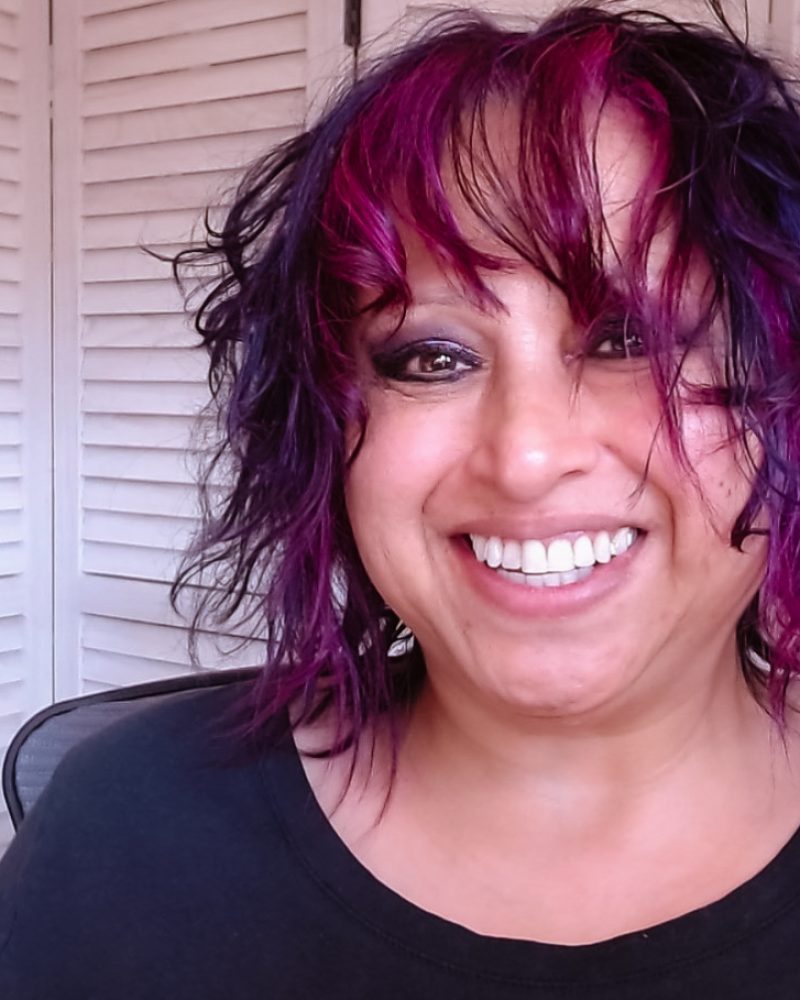
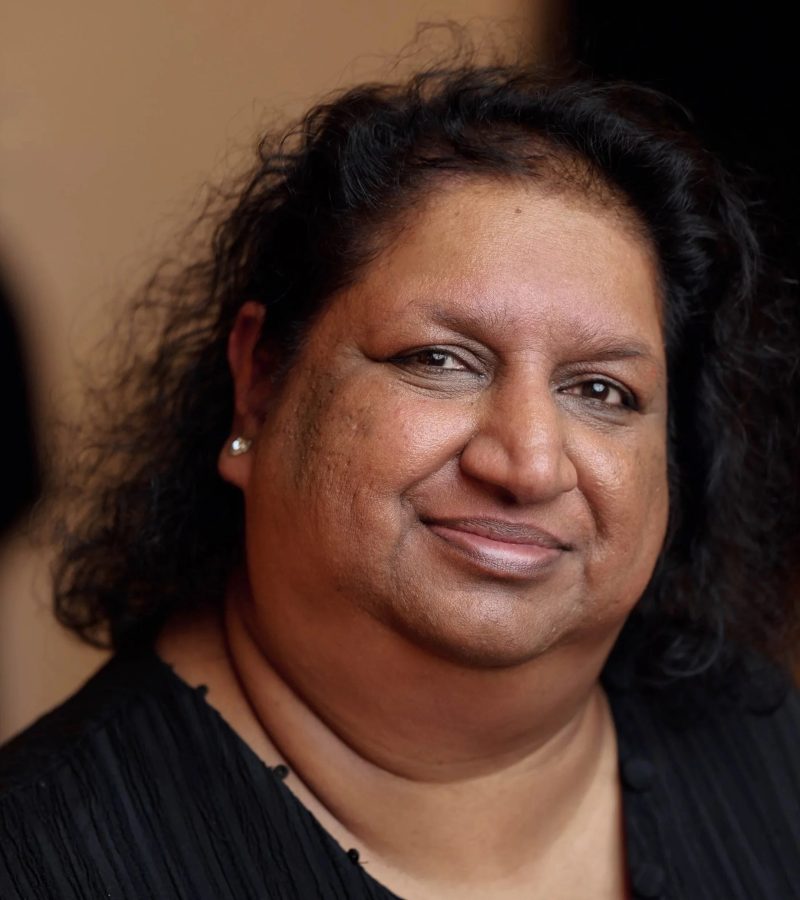
We explore the powerful intersection of emotional storytelling and ethical communication within the charity sector. Vishnee Sauntoo shares her experience with the groundbreaking Save the Children campaign, highlighting how impactful narratives can raise awareness without overt fundraising pressure. Her insights about authenticity, influencer collaboration, and strategic messaging offer valuable lessons for creating meaningful engagement and trust.
We discuss:
Chapters
00:00 The ethical considerations behind emotional charity campaigns
00:23 The rise and impact of the Second a Day campaign
03:18 Creating authentic and relatable content for crisis storytelling
05:28 Why the campaign was not a fundraising ad, and its unexpected benefits
08:40 The evolution of influencer partnerships in charity work
12:03 How geopolitical shifts influence charity marketing strategies
13:21 Constraints as catalysts for creative innovation in nonprofits
14:32 Future-focused versus program-oriented charity approaches
15:53 Leveraging digital and podcasting to build trust and engagement
17:43 Balancing raw footage with ethical storytelling and dignity
20:26 Clarity as a core principle for effective charity strategy
21:53 Vishni’s new project: The Commons Collective
Resources & Links:
Connect with Vishnee Sauntoo:
Christina Moore (00:23)
In an effort to stand out, charitable marketing campaigns are more emotional, more urgent and more dramatic. But are they crossing a line? Today, I’m talking to Vishnitsa Sauntoo who led a marketing campaign for Save the Children that reached 10 million views in 48 hours and nearly 79 million to date. If you’re balance and impact, integrity and income, this episode will feel very familiar.
and it will give you a more disciplined way to think about the trade-offs. If you’re a marketer in the charity sector, I’d love for you to share your experience with ethical storytelling in the comments below.
Vishnee Sauntoo (01:11)
I’m Vishnee Sauntoo and I’m a communications consultant now. I’ve been in the not-for-profit sector for about 25 years, so working with charities and government and other public sector organisations.
like Save the Children, the British Heart Foundation, Age International, also more newer organisations or climate organisations like C40 Cities, ⁓ as well as some ⁓ kind of the IVF Watchdog, Humanitarian, the Human Fertilisation and Umbrology Authority, and many others.
And my role has been high impact campaigns, branding and communications.
Christina Moore (01:51)
been using the word charity, but what’s the distinction between a charity and not-for-profit?
Vishnee Sauntoo (02:00)
I you can get sort of not-for-profit businesses. You can get sort of education sector, housing association, but also sort of ⁓ public sector. You know, they’re not-for-profit. So, for example, for my podcast, I interviewed somebody who’s working at Haringey Council now. He used to work in the sector. So I would call that not-for-profit as well. So charities are kind of the ones where we think of people where you got…
needy children and you know or dogs and animals and whatever but I think not-for-profit opens it up a slightly but it’s kind of mission-led you know you’ve got a mission that you’re trying to deliver on as opposed to kind of corporates and products and services
Christina Moore (02:45)
You’ve worked for some notable campaigns. Which ones have you worked for?
Vishnee Sauntoo (02:49)
So this campaign was called Second a Day and it was aimed, it was about the Syria conflict. ⁓ And it was about 10, no, 11 years ago that we created it. And my role was to be the leads or comms person working with the agency, delivering the campaign planning, you know, how we were going to push that out through our channels. And then, you know, there for the kind of the planning production and post-production as well.
⁓ and the aim of the ad was to really get the UK public to understand what conflict means. Cause obviously in the UK, we’re quite lucky, you know, we’ve, don’t have to deal with that. So finding out about what happened somewhere else doesn’t, you, you can’t, it’s not in your imagination. So we wanted to say, well, what if that happened in here in the UK and what will happen to a child? And it was about looking at a year in their life as.
that country and it looked like London, know, we filmed in London and how it deteriorated and what happens to that child in that time from one birthday to the next birthday. It was really powerful, as you say, it resonated incredibly. In the first 48 hours, it got 10 million views worldwide and it it still grows. At the moment, I think I’m obsessed with it. I keep checking. It’s about 79 million.
And to be honest with you, I think it’s still relevant today with the conflicts happening around the world. So it’s something that people still watch and are moved by it. It’s very emotional and it really does touch your
Christina Moore (04:29)
And so what was the creative process? I know it was 10 years ago now, but do you remember kind of like sitting in those meeting rooms and discussing what approach you were gonna take?
Vishnee Sauntoo (04:40)
Yeah, we worked with ⁓ an agency called Don’t Panic and they wanted to work with us. They were quite a new organisation, so they were really looking at trying to be edgy and trying to sort of think outside the box a little bit. And our brief was about engaging the UK public, know, getting them to understand, you know, because we know we do get donations, obviously, but they’re probably the same people who donate each time. And we wanted to reach new audiences. We wanted to reach people.
that maybe had families themselves who were young, young families and they could see themselves in that situation. And so that was a brief. We also made the very conscious decision for this ad not to be a fundraising ad. So it was an information ad. was about
create a discussion, because that’s what we wanted to happen at the time. And it was very important for us. Obviously, when you get 10 million views after fourty eight hours, you kind of regret that. it still led to fundraising in a good way. But the type of ad it was, the reason why it was successful, I think, is because it didn’t have a fundraising ask at the end of it. So people were more willing to share it with their friends and family as well.
Um, and yeah, it resonated. The other thing I think, you know, drawing down on our experience from, the children and working with our colleagues in different countries, we know how to portray what that issue is and, you know, what happens to children because we look at the protection of children. Um, so thinking about safe spaces, thinking about, you know, in their homes, what, you know, having to, you know, they literally had to run, um, to safety and things like that.
So trying to make sure that the film was as real as possible and accurate as possible to the reality was really important for us. So being there for that. And finally, just to say, when that came out, we actually had our colleagues in some of the refugee camps who gave us a message from refugees themselves from Syria to say, you’ve really understood us and you understand the pain and we’re really grateful that you’re.
highlighting this worldwide. So that really touched me because it was, we’ve done something edgy, but it’s accurate. ⁓ And people who are suffering actually appreciate that as well. So all in all, it was so worthwhile in that sense.
Christina Moore (07:12)
So it reached every corner of the earth and you got messages from people who are affected Was there.
⁓ a process where you did interviews to do research for the campaign or was it a case of you’d already had so much kind of contact with many of the refugees, especially those who are children, that you knew who you were talking about?
Vishnee Sauntoo (07:39)
Yeah, mean, Save the Children’s a great charity that we always talk about real stories. So it wasn’t hard to find those real stories and, you know, be able to build a kind of imagery of what that child could look like. And there are always, you know, personal accounts. We have colleagues, you know, on the ground in those situations that are telling us what it’s like and what the reality is. being able to have that accurate information really helps sort of.
developed that storyline so it wasn’t excessive, it was accurate to kind of what is actually happening out there.
Christina Moore (08:15)
Vishnee has said something really important here. The campaign wasn’t designed to raise money. It was designed to create understanding. And that’s a bold choice in a sector where fundraising pressure is constant. So externally, the goal was insight, but campaigns at that scale rarely delivered just one outcome. What extra benefits did she take from it?
Vishnee Sauntoo (08:40)
It was the first time we were trying to reach out to influencers. So imagine sort of 10, 11 years ago, that wasn’t really a word. You know, we knew there was a high profile people, more VIPs and celebrities in those days, where you would try and reach out to them. And the agency did quite a lot of that work as well for us. But we already had ambassadors, know, Save the Children has a real great bank of ambassadors who support the charity. So reaching out to them sort of
thinking about the plan of like, how we would push this out was really key for us. It was, um it did great in the media as well, because it was such a new way of doing something. Um So again, you know, and that style of filming as well, that second by second, second a day type thing um that we described was very new as well for the industry. It just creative industry overall, you know, it was quite a new technique. um
So there were all these different things that we could sort of like take from it as well.
Christina Moore (09:44)
I think it’s quite interesting that, 10 years ago, influencers weren’t really a thing, you know, they of like celebrities and then no And I think that that has had a massive impact on the approach marketing teams have ⁓
How do you select your influencers and ambassadors given that sometimes they can be quite high risk?
Vishnee Sauntoo (10:13)
Yeah, I think a lot of it is down to kind of ⁓ showing their support, you know, whether they have a connection to the charities. Often you’ll find somebody has an experience or their family member has an experience, know, like with health charities, for example, so there’s a connection. But also, I think, you know, you have to do due diligence, you know, you have to do that. But
there is a risk. So as an organisation, as a company, you have to think about that and think about what does this risk outweigh, you know, kind of like what we would achieve with that person. And then also always have a backup plan, have a crisis plan, I always sort of, you know, regardless of who they are, they might also get backlash for supporting you as a charity. So it works both ways, right? So you know, you need to support them, they need to support you.
but always have a backup plan and what you would do in that situation. But 9 times out of 10, I find once you’ve selected somebody and had a great conversation with them, you can see that actually they like what you do anyway.
And I’ve done that with sort of climate as well, sort of chosen influences from a climate background. And, you know, you can see that what they talk about in terms of the climate crisis and you know that you’re aligned in some way, but they’re probably stretching what you would do as an organisation. And in some ways, that’s a good thing because they’re doing it and not you.
Christina Moore (11:41)
I guess that’s one of the one of the benefits, is that they can probably take a little bit more risks than you could. They can just push that boundary a little bit further than you could as a charity.
I think this leads us quite nicely on to talk about some of the changes that you’ve noticed within marketing and the charity sector
Vishnee Sauntoo (12:02)
Yeah, mean, know, massive changes in the charity sector. A lot of it is from the kind of geopolitical impact, you know, thinking about like US AID, for example, pulling out of funding. And that’s had a massive impact, you can imagine on lots and lots of charities and their programs.
I think is really, really tough. But what it does do, I think, it reframes your mind in terms of, you know, when you’re in that charity, you’ve got less budget, maybe less people. Thinking about being more creative, maybe, you know, stretching yourselves a bit more. In charities, when you work for a charity, you do…
You often work on a budget, you know, so we are always trying to think creatively and trying to, know, not many, not many charities have big budgets. So, you know, trying to find different ways of saying that same story, I think is a challenge, but that can be quite exciting. I used to work for a very small charity called No Smoking Day. And, you know, we had a campaign for one year, for one day of the year, but it took us all year to create it, you know, because you’re telling the same story every year, but
in a very different creative way. you know, that is a challenge, I think, but a lot of people do thrive from
Christina Moore (13:21)
is really interesting because Vishni is describing constraints almost as creative advantages. And I wonder if that’s where we start to see the difference between legacy charities and new organisations. Does she think that those financial pressures shape how established charities behave differently compared to newer, more future-focused ones?
Christina Moore (13:44)
What differences have you noticed between the, let’s call them legacy charities to the new ones?
Vishnee Sauntoo (13:50)
I think there’s a difference between some of the legacy charities, as you say, are very focused on delivering programs. And so, you know, when they’re asking for funding or they’re creating campaigns, they’ve got a very specific goal. Some of the newer ones are thinking about far in the future. So, for example, climate organisations, they are thinking about policy advocacy right now because, you know, we need to look at the future. We need to be able to sort of say,
Okay, in 10 years time, we’re not going to have this or we’re not going to have that we need to fix it now. So it’s almost sort of looking at things before the bad stuff happens and trying to find solutions for that.
I think, you know, digital obviously is a big one. Thinking about charities, particularly, digital was kind of like the second thing. whereas it was always about reaching people either through email or letters or TV, you know, the kind of ads that you see on television. But we’ve realized now that actually digital is far, you’re getting actually into where people are.
You know, television is just too broad sometimes, still effective and lots of charities still use it. It’s still good, a good platform. But, you know, you can actually have a conversation with somebody now on social and engage in a different way. You might be reaching younger audiences who might not have money right now, but they could be your advocate. They’re activists. They want to fight for human rights, you know. And one day in the future, they might become donors, you know.
And the other thing I think is quite frankly, podcasting, like what we’re doing now, you you can have deep conversations that you can’t normally have, you know, where you would, ⁓ you know, have a quick sort of one minute interview on broadcast on, on the news or whatever, which is great. You’re reaching a large number of people, but you’re not really getting to know that organisation or those people in it. And that’s how you build trust. So I think.
podcasts are a really great way of building trust.
we have to do more, in particular in charity sector, we have to build trust. People do not want to give you money if they don’t know where that money’s going. People often say, I don’t know what you’ve done with the 10 pounds that I’ve given you. So let’s build on that. Let’s tell them what we did. Let’s give them an opportunity to talk to you or ask questions. And I think there’s so many different open ways of doing that.
videos are great. think with tight budgets, what can you do? What is, you know, so we don’t want, you know, big kind of cinema style videos. It’s really quick and effective, you know, and
kind of like shooting straight, know, often when I’ve done ⁓ humanitarian works, we’re talking about responses to earthquakes and flooding, you know, I’ve said to my colleagues who are there, I said, just take a video of what you can see, you know, we did Pakistan floods and one guy was there in the middle, he was knee deep in the floods. I said, just, just do that, just film what you can. And then what we did, we created the video and then just put some words behind it, you know.
And we’re able to sort show people, this is what’s happening right now. And it’s gotta be quick, it’s gotta be instant, right? So you do want something that’s just coming to you via WhatsApp, you know, and it is real, it’s not flashy. It’s, you know, there’s time for the real, you know, really beautiful videos, but there’s time for like real raw images.
Christina Moore (17:25)
Yeah, and I would, I have a hunch, real footage in real time and also that’s not sanitised by mainstream media is what people are looking for. They want to feel like they know exactly what’s happened in that moment.
Vishnee Sauntoo (17:35)
Yes.
Yeah.
Yeah. And As charities, you know, we do have responsibility to keep people’s dignity and there is what we call ethical storytelling. So it will be raw. There will be instant, but we still have to make sure that we, you know, we maintain people’s dignity. So, for example, for children, you know, like We’re not going to make them look like those sort of children that you see on charity ads. You know, it’s got to be real. It’s got to be
you know, what is happening right now, you know, and it’s quite difficult actually, ⁓ conversation to have sometimes with your fundraisers about how to keep that kind of dignity and ethical style of storytelling without it looking too desperate, if that makes sense. You know, you don’t want the fly in the eye kind of child, you want them to be real and here’s what’s happening right now. But we, you know, there’s a line that you’ve got to draw.
And I think that’s what we’re all talking about now.
So we were doing a report about unpaid work. So, you know, a lot of women do unpaid work in their homes. They look after grandchildren. They might be community leaders, but one woman, she said,
I actually feel empowered by being a community leader. So for us, that is what we wanted to tell that story. We didn’t want to tell poor woman she’s not being paid for it. It’s like, no, she’s doing this because, you know, how fulfilled she’s feeling, she needs to be paid for it, sure. But she’s feeling empowered by doing this work. So it’s flipping that switch of being poor and needy, but it’s saying, I’m resilient. You know, I am powerful in my own skin.
⁓ I want to do better, I want more out of life. And that’s how I think you change it and reframe it as well.
Christina Moore (19:31)
I think that was a wonderful example. one of things that I have to keep reminding myself and try and encourage amongst the team as well is that ⁓ go into it being curious rather than having a definitive agenda. Like you kind of need a plan. You know, you need to have an idea of what you hope to get out of it, but leave room for the curiosity because you never know when the curiosity is going to flip something on its head. It’s like a wonderful example.
of somebody finding empowerment in taking care of their community rather than feeling like it was a burden on their shoulders, which is the narrative we typically get.
So I know for you, a strategy is going to be different for each charity you work for. ⁓ But are there some fundamental principles that you like to stick to when drafting a strategy?
Vishnee Sauntoo (20:26)
Yeah, and I think I think it’s for any strategy, whatever sector you’re in, it’s about, you know, the one thing that you want to communicate. We all do lots of different things, charities, as well as businesses do lots of different things. But what is the one thing that you want to be known for? Because, you know, people don’t remember things. So you’ll see some of the like biggest brands out there, they tell you one thing. And it’s so true. So save the children, you know, they’re lucky they
you know, it says what it does on the tin, doesn’t it, with their name. And they don’t tell you about the 20 different programs they have, they tell you about one program that’s really important, which might be poverty, or it might be education. And the same what I’m trying to do with this charity that I’m working for currently, it’s like, you do so many things, but I need to tell people one thing, what’s the one great thing. ⁓ And yeah, so I would say that that is the thing that I would always recommend to
Christina Moore (21:19)
Vishni says something simple, pick one message. If you’re producing content right now and you’re not sure whether your show has that kind of clarity, take our content power score. It shows you whether your content is trying to say too much. You’ll see exactly what’s working and what isn’t and what to fix first. The link is in the description.
Christina Moore (21:41)
So is there anything that you are doing in the next, let’s say, six months to a year, any new projects that you’re working on that you’re really looking forward to?
Vishnee Sauntoo (21:53)
Yes, so I’ve just launched a podcast myself.
My new podcast is called The Commons Collective. You’ll find it on all good podcasts and it’s about senior communications leaders in the not-for-profit sector. And I’m asking them what are the challenges they face, how they deal with it and what tips and advice they can give to other leaders.
Christina Moore (22:16)
It was a lovely interview. Thank you so much. I appreciate you spending the time.
Christina Moore (22:21)
Here are the notes I’m taking from today’s conversation. What struck me is that the second today campaign reached 79 million views, but the real strategic decision was removing the fundraising ask. The other is Vishni’s through line. It’s simple, but sometimes difficult with competing agendas in an organisation. It’s pick one message and build trust before you ask for action.
Thanks for listening. And if you want to create clarity in your messaging, check out our content power score in the description.
Explore other episodes from our podcast series to stay updated.
Gain fresh insights and inspiration with every new conversation.