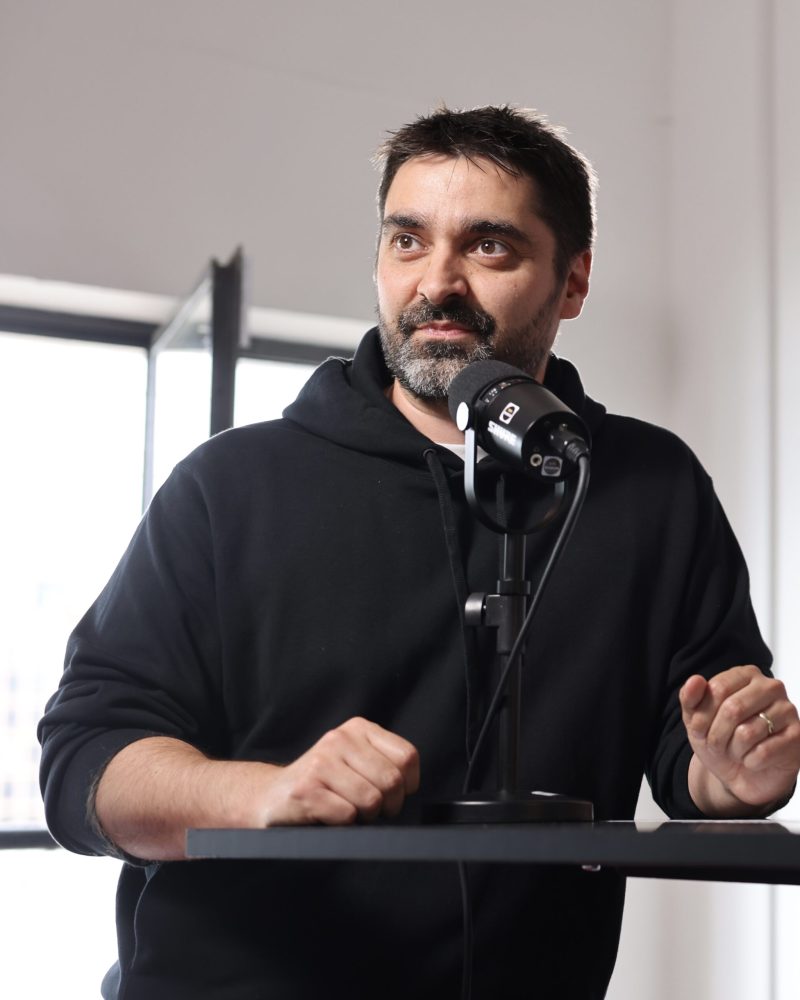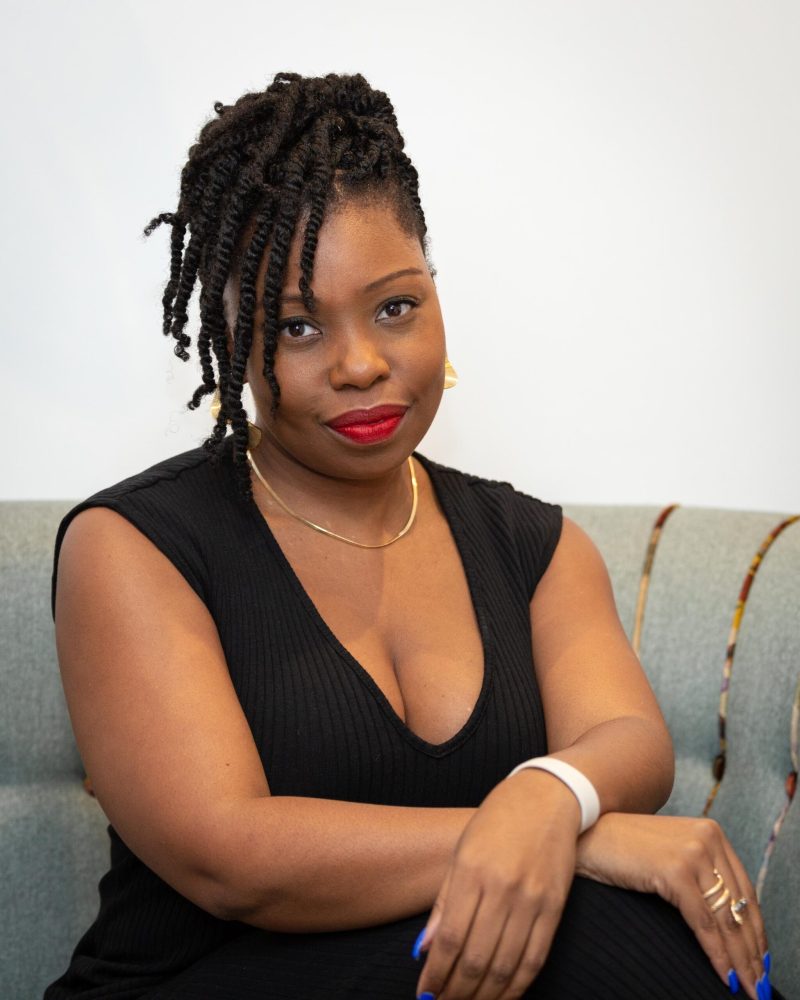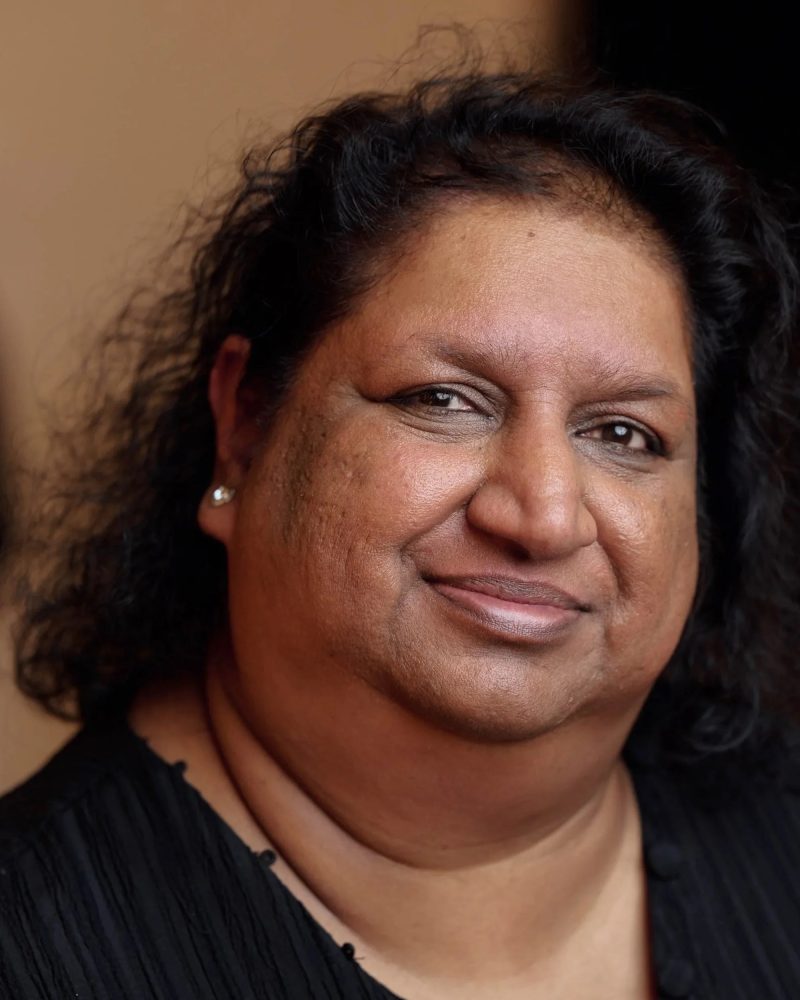

Marketing expert Katie Martell shares her expertise on effective content creation, influencer partnerships, and the importance of alignment and authenticity in brand storytelling.
Discover how to stand out in crowded markets and build trust through human-centred stories.
Christina and Katie explore the evolving landscape of marketing and media. Katie shares her journey from marketer to talk show host, emphasising the importance of storytelling and human-centred content in technology marketing. They discuss the challenges brands face in differentiating themselves in a crowded market and the critical role of trust in content creation.
The conversation also touches on the significance of platforms like LinkedIn and the power of podcasts in building brand awareness. Katie highlights the need for brands to take risks while managing their reputation and the importance of aligning with the right influencers.
Finally, she shares her exciting upcoming documentary project that examines the impact of advertising on society.
00:00 Katie Martell: A Journey into Marketing and Media
02:55 The Shift from Traditional Marketing to Media
06:03 Storytelling in Technology: Making Complex Ideas Relatable
09:22 Human-Centred Content: Celebrating Individuals Behind Tech
13:22 Qualities of an Effective Presenter for Brands
16:20 The Role of Founders in Brand Storytelling
18:56 Leveraging LinkedIn for Personal Branding and Thought Leadership
21:46 The Importance of Relevance and Connectivity in Content
23:41 Taking Risks in Content Creation
27:42 Future Projects and Personal Passions
In this episode, we’re breaking down what to look for in an influencer or presenter, even if handing over your brand voice makes you slightly uncomfortable. Have you ever looked at someone with a huge following and thought, that’s it, they’re the one, they’re the key to more reach, more engagement, more leads, it’s coming. You’re not alone, but it turns out follower counts is often the least important factor because trust doesn’t come from reach, it comes from alignment.
My guest today is Katie Martell, former CMO and now influencer in the B2B marketing space. Katie has been named a top voice on LinkedIn three times and has built an audience of over 100,000 across her social channels. Because of her ability to build engagement, she’s partnered with Adobe, Oracle and Mailchimp.
Suffice it to say that Katie has a deep understanding of how influencer partnerships work. As she explains, the best presenters and influencers don’t just promote a brand, they translate their thinking into human stories that buyers recognize themselves in.
This is A Mind for Marketing. I’m Christina Moore, helping businesses connect with more prospects through content.
My name is Katie Martell. I am so honored to be here. I’m a marketer by trade, but my adventures in marketing have really led me very closely to the world of media, specifically social, but in that a lot of different formats.
But media, you can’t talk about marketing without media. It’s the way that marketing has shifted from billboards and print ads to what is now the social internet. And that currency is media. That currency are short videos and written content. And even in the ChatGPT era, machines are driven by written content.
And the brands that knew this have gotten ahead of this 15 years ago and have been turned into publishing brands, even in tech. The brands that know that they need to stay ahead of the narratives and control the narratives of their industry have invested in content.
Nowadays, that content is short form. It’s all video and audio is still an enormous play. And so we’re in this weird world of brand new thinking. I know this is where my audience is. This is where I am as a consumer of this media, listening to podcasts, watching way too much video on the internet. I’m a TikTok addict myself, let’s be honest.
And now we’re wondering how do we have a voice in this. And a lot of brands are coming into this completely blind while others have built up entire editorial teams in-house to address what their audiences want, which is content that doesn’t feel branded and doesn’t feel like an ad.
Right. What would you say is the difference in mindset between a brand that has kind of really managed to put themselves out there, create amazing content, compared to a brand who is still kind of like dipping their toes in the water, perhaps not even getting that much traction for what they do have.
It’s hard, right? I mean, I worked with a lot of startups when I was coming up through marketing. That was an unfortunate way to start my career or the best way ever to start my career, because you are like David versus Goliath versus industry leaders that have more money, more budget, more reach.
And how do you compete with companies that have 10X your budget, 10X your team? You almost have to compete on the power of your ideas. You have to be saying something in market that is so different than what the established bigger players are saying if you’re going to win in that environment.
And that’s kind of where a lot of brands are. It doesn’t matter what industry you’re in. My industry du jour has been marketing technology. I’ve been marketing to other marketers, and that’s been the world I’ve played in all kinds of different roles in that. But it could be finance, it could be automotive. It almost doesn’t matter.
There’s more entrants into these companies’ verticals than ever before, which means that the buyer has a ton of options. And you’re kind of wondering how do I, in that consideration set of brands that all kind of look like they’re doing the same thing, differentiate?
And often now those brands that get it are the ones that are saying the power of our ideas is the thing that’s going to set us apart from companies that look just like us and be earned trust.
That’s the other big part of this that has to be addressed. Everyone knows if your ideas are out there, if you’re transparent in the way that you think, people feel like they get to know you.
It’s this parasocial relationship that individual influencers have with their communities. It’s the idea that you know me because I’ve given a lot to show you who I am and how I see the world and what I believe.
The same applies to brands. Which is why I think a lot of marketing leaders are scared, because it requires us as brands to expose the quality of our thinking.
And if we’re not ready for that, we’re going to be exposed as people who are following people who are behind the trend, not innovators.
So I wouldn’t recommend that anyone who isn’t leading in their industry in terms of thinking about things in a new way, who aren’t willing to put that thinking out there boldly, try this approach. Because you’ll just put out a podcast or content series that sounds like everyone else’s.
You’ve got to be confident in the power of your thinking and the power of your ideas and be willing to say, here’s how we think and why we think it.
Yeah.
It is. I think you mentioned earlier that you’ve worked with a lot of tech-based or MarTech companies and it’s quite difficult sometimes to translate that to an audience. What has been your advice in the past in telling stories around technology, subjects that might be complex perhaps?
I always think around tech, no matter what the buzzword of the year is, there’s always a hype cycle in my industry.
I remember when social media was the big thing that was going to change the world. It has, but we don’t talk about it like we did then.
This year everything is about AI. A couple of years ago everything was about social, mobile, local.
But what hasn’t changed is that there are people at the center of this technology. Real human people like you and I who are responsible for buying it and using it.
And I always find the best content I’ve ever made is human-centered.
This is not people talking about the tech. This is people talking about how the technology affected their lives and changed their work.
For example, I worked with Adobe.
Adobe is known for Photoshop and Illustrator, but it also has a huge enterprise business called Adobe for Business.
They power a lot of the world’s digital marketing, ecommerce, personalization and analytics systems.
So how do you create content for people working behind the scenes with data and analytics?
You make content about them.
You highlight these individuals.
For Adobe that became a series called The Adobe Experience Maker.
It’s a video podcast format, two people in front of microphones.
But instead of asking about conversion rates and performance metrics, we ask about their journey, their mindset and the cultural change behind the project.
These are the human stories behind the technology.
And the content performs really well on social because people relate to it.
I like that it takes the focus off Adobe without making it feel like an advertisement.
Exactly. It’s not cringe-worthy branded content.
No one wants to hear a brand talk about how great their product is.
We want to hear about each other.
We’re social creatures and we admire and copy people who seem successful.
So highlight someone worth admiring.
What I love about that Adobe example is that the spotlight is pointed in the right direction.
The brand steps back and the client takes center stage.
That sounds simple but it takes skill.
Someone like Katie guides the conversation without hijacking it and draws out the story without becoming the story.
So what makes a great presenter in a branded show?
If you’re building a show like this, start with your customers.
Yes, you need subject matter experts in your company, but there are a lot of those.
That’s why you need a good host.
I know the brand messaging. I understand what Adobe wants communicated.
But my job is to make the guests come alive.
I follow the trail of what they’re saying so they become genuinely excited about sharing their experience.
A good presenter is like a plate spinner.
They hold the brand in one hand, the guest in another and keep the audience engaged at the same time.
But we’ve all seen interviews where the energy feels off.
What are the warning signs that a presenter isn’t the right fit?
You can tell immediately when someone is on air just to hear themselves talk.
The assignment is collaboration.
Some people build personal brands by tearing others down.
And while critique can be valuable, destructive criticism is dangerous for brands to associate with.
Just because someone has a large following doesn’t mean they are the right partner.
Look through their past content carefully.
I try to balance credibility with joy.
I want to uplift others rather than tear them down.
So what qualities should brands look for when selecting a presenter?
First, the presenter must understand your brand.
You need a mix of subject matter expertise and communication skill.
During interviews my mind is constantly working like a map.
I’m thinking about the remaining time, the brand messaging, the audience’s interests and the guest’s responses.
My job is to connect the brand, the guest and the audience.
That’s strategic communication, not just someone speaking into a microphone.
Many CEOs want to host their own podcasts. But that isn’t always the best idea.
Exactly.
Give CEOs a stage or conference speaking opportunity instead.
A brand podcast should be a platform for ideas, not just the highest-paid person’s opinions.
Sometimes you have to redirect executives into roles where they shine best.
Exactly.
Founders are often powerful storytellers early in a company’s life.
Before a brand has traction, the founder’s vision becomes the story.
LinkedIn is one of the best platforms for building that personal brand.
You can even sponsor posts through thought leader ads to amplify the founder’s voice.
Video content especially performs very well there.
The algorithm is becoming more interest-based rather than time-based.
Yes.
That means relevance matters more than timing.
Brands should focus on discussing the topics their audience genuinely cares about.
Now is actually the time for brands to take some risks.
When brands work with influencers, clear brand guidelines and approvals help manage those risks while still allowing creativity.
Influencers bring their own personality, which attracts audiences.
Brands borrow trust from the influencer’s audience.
In B2B, influencers also care deeply about protecting their reputation.
Both sides have an incentive for the partnership to succeed.
Exactly.
Brands should examine a creator’s history and values before partnering.
Some influencers chase engagement through negativity.
Those are not good brand partners.
Authenticity matters.
I’ve turned down brand partnerships when their values didn’t align with mine.
I’m currently working on a documentary called Killing Us Softly Five with Jean Kilbourne.
It explores the impact of advertising and social media on women and how we perceive ourselves.
It’s been an absolute pleasure speaking with you.
Thank you so much. It’s been wonderful being part of this conversation.
Thanks to Katie Martell for joining us.
Here are the key takeaways.
In crowded markets, clarity and conviction set brands apart.
Human stories matter more than product features.
Presenters connect the brand, guests and audience.
And alignment with partners is essential.
Get those right and you can create content that truly resonates.
Thank you for listening.
If you’d like to see where your content strategy may be misaligned, check out the Content Power Score.
The link is in the description.
Explore other episodes from our podcast series to stay updated.
Gain fresh insights and inspiration with every new conversation.